Does design = dollars?
The short answer: yes.
The long answer: yes, but the fact that good design brings business value isn’t actually all that obvious. At least, not with the vocabulary we use to talk about it.
Designers and business leaders speak different languages.
And with no clear-cut way to connect design to business health, senior stakeholders — that is, all the people in your organization who determine where resources should be allocated — aren’t inclined to put a lot of stock in words like “human-centered” or “usability.”
For example, take the information architecture for a healthcare app that we created to organize the platform’s 30+ features in a manner that would be clear and discoverable for our 4 main user groups (admin, pharmacy, provider, and patient).

It took us one card-sorting session, multiple rounds of talking to users, and a dozen hours of work.
If we hadn’t dedicated our time to this research upfront, and just sorted the features arbitrarily, users would have never been able to find what they needed. The app would become a staircase to nowhere — a UX nightmare.
Seems like a worthwhile investment when we put it that way, right?
Not exactly.
The problem with this argument is that, like most designer’s arguments, it uses the language of usability.
It speaks volumes about user satisfaction and navigability, but says nothing of how much money was saved. How much money could’ve been lost. The number of users engaging, converting, returning, or being retained as a result of the research.
The bad news is that, as a designer, getting stakeholder buy-in for your decisions is impossible without speaking in these terms.
The good news is that that’s all it is — a communication gap. One that can easily be bridged with the right words.
Let’s get into what those words are.

Business metrics every designer should know
First things first: not all business metrics are created equal, and there’s no one single metric that alone defines success or failure.
To accurately measure the performance of a function or organization, business analysis frameworks benefit from using a combination of complementary metrics.

One of the most popular frameworks in this regard, and one that we’ve used extensively ourselves, is the AARRR framework (also known as “pirate metrics” — three guesses as to why).
The AAARR framework defines five key moments that are critical in the customer life cycle, particularly for startups and product-led SaaS companies.
AAARR stands for acquisition, activation, retention, referral, and revenue maximization.
📈 Acquisition
Acquisition refers to when the user first makes contact with your website, product, or platform. If you have a strong digital presence, your traffic likely comes through multiple channels, so this lets you evaluate which channels are getting the most engagement and what percentage of users are actually persuaded to click on your CTAs.
Designers must gain a deep understanding of the target audience through research to identify their needs and emotions. Only then can they craft effective messaging that converts visitors into leads.

Key metrics: Bounce rate; click-through rate; lead conversion rate
What designers should be asking: How can our users discover us?
📈 Activation
Activation, also known as the “aha! moment”, tracks whichever actions of first-time users are most correlated to potential long-term retention. In other words, it’s the point in the user’s journey where they start to really see what value your product has to offer them.
Through user interviews and testing, designers can identify and address any friction points that might be blocking user activation, thus laying the groundwork for sustained engagement.
Key metrics: Customer conversion rate; drop-off rate; time to value
What designers should be asking: How can we turn casual users into customers as quickly as possible?
📈 Retention
Retention measures the return of first-time users, and can be considered the desired end goal after acquisition and activation. The threshold for considering a user as “retained” varies from product to product, but things like making a repeat purchase, continuing a subscription, or regularly revisiting a website count toward retention.
To increase returning users, designers need to know the user’s long-term goals and desires and employ that knowledge to create an experience that benefits them in the long run.

Key metrics: Churn rate; login frequency; retention rate
What designers should be asking: How can we keep our customers coming back for more?
📈 Referral
The referral metric quantifies how many new users are acquired through recommendations by existing satisfied users. They’re an indicator of how indispensable your service is to your current users, and how much they want to share that delightful experience with others. It ensures organic growth and doubles down on customer loyalty.
Designers can motivate referrals in two ways: one, by simply doing their job and creating a highly-usable product; and two, by rewarding referrals through redeemable in-app benefits. Morning Brew’s referral program, for instance, is known for having driven 35% of their 2.4+ million subscribers in 2020.
Key metrics: Net promoter score; purchase rate of referred customers
What designers should be asking: How can we incentivize customer referrals?
📈 Revenue maximization
Ultimately, the goal of all organizational efforts is to maximize revenue.
This is achieved by converting visitors into leads and nurturing them into long-term clients and advocates. By focusing on these key metrics and continuously refining strategies based on user insights, businesses can ensure sustained success and profitability.
Designers have to prioritize all the user actions that correspond directly to monetary value, like making an e-commerce purchase or buying a premium package. This is where customer personas bring the most value, as they give designers deep insight into how much their users will spend, and on what services.

Key metrics: Customer lifetime value; revenue churn
What designers should be asking: How can we generate profit from customers?
Key takeaways for business leaders & designers
If you’re a designer, you’ll probably find yourself in a position where you have to defend the need for user research at least once in your career.
If you’re a business leader, you’ve probably already wondered about the ROI of good design and whether it’s worth it for you to invest heavily in your product’s UX.
Either way, you’ll find the following takeaways about user research helpful toward taking your next steps.
- User research minimizes design and development costs. In particular, research conducted during the wireframing stage helps in identifying and rectifying potential issues early on, preventing costly redesigns or feature eliminations later. This proactive approach not only saves time but also reduces expenses associated with extensive iterations.
- User research eases the pressure on customer support. Good usability means the user can find what they need on their own, leading to a reduction in customer support inquiries and allowing for a smaller, leaner support team. Collaboration between researchers and customer support representatives, coupled with the integration of support software like Zendesk, streamlines the process of identifying and prioritizing usability problems, further optimizing operational efficiency.
- User research decreases reliance on sales efforts. A product with an intuitive user experience that meets customer needs essentially sells itself. By understanding customer preferences and behaviors through research, businesses can offer a superior user experience that increases customer satisfaction and loyalty, leading to higher conversion rates and decreased reliance on outbound sales tactics.
Frequently-asked questions
We know that there are a lot of contextual factors surrounding the debate of design vs. business. Company culture, stakeholder values, and product positioning are just a few examples of those factors.
These FAQs are some of the most common ones that we’ve heard across all our client partnerships, from startups to Fortune 500s.
How long does the research phase take?
It depends on the design team you’re working with, as well as the scope of the project. When partnering with reloadux, you can expect a team of UX consultants to lead a 1–2 week discovery workshop with stakeholders and users.
Isn’t user research time-consuming and expensive?
Yes and no. While user research does require an upfront investment of time and resources, the savings it generates through informed decision-making outweighs the initial costs. At reloadux, for instance, we use AI to automate the mundane parts of our user research, which streamlines the process further.
What tangible deliverables can we expect from user research?
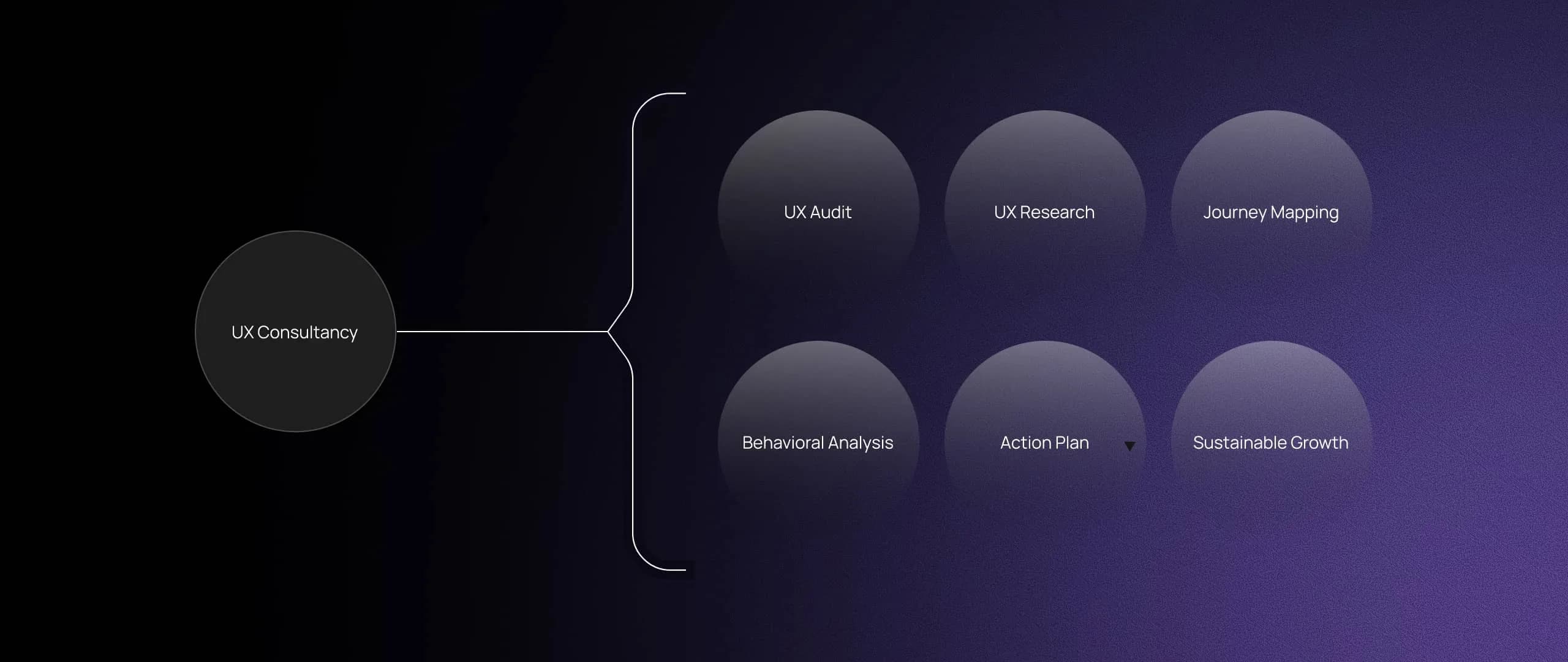
Deliverables vary based on organizational and product needs. We typically produce detailed user personas, journey maps, and market research reports that highlight key findings and actionable insights. Depending on whether the product is new or existing, we may also develop a business vision or conduct a UX audit.
These serve as blueprints for the design process, guiding everything from feature value prioritization to user interface decisions.

We want to see what our redesigned product actually looks like. Can’t you skip out on the research and get to the design ASAP?
We understand the feeling — we want you to get your hands on those shiny new visuals too! However, if we jump straight into the design without understanding your users and their needs, you might end up with something that looks great on the surface but doesn’t quite resonate with your audience.
User research is the foundation that ensures the final product is not just attractive but also functional and effective. So, while it might feel like a detour, it’s actually the fastest route to a design both you and your users will love.
If that sounds like something you’re looking for, come talk to us about what you’re working on and join our roster of clients. You’ll be in good company.

Ahmad Ullah
Principal UX Designer