
















What We’re Seeing
AI features are shipping faster than users are adopting them.
AI-assisted development has tripled feature shipping velocity. Adoption hasn’t moved. The average core feature reaches 24.5% of users, three out of four shipped features get ignored. AI features do worse, assistants sitting at 4% weekly usage six months after launch, AI summaries at 6%, usage that spikes at announcement and flatlines within weeks.
The feature launches, the demo looks good, but users still go back to the workflow they already know. This is an experience problem, discovery, first use, trust, and habit are all designed, or they don’t happen.
AI products across industries.
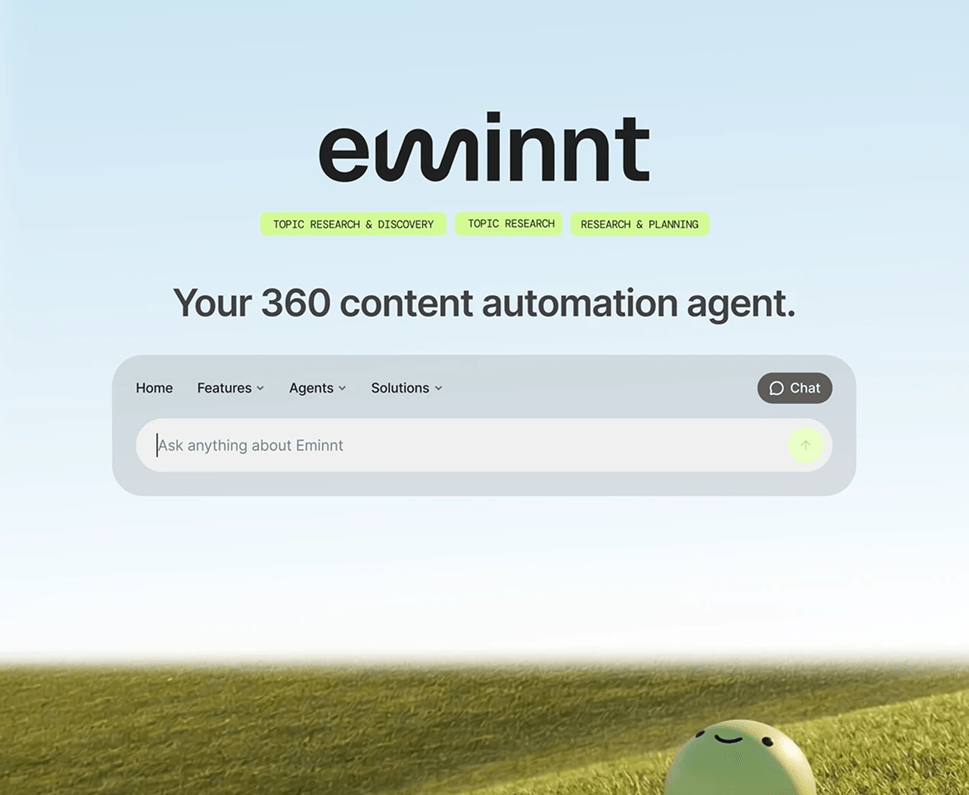
Transforming how content marketers use GenAI in their day-to-day.
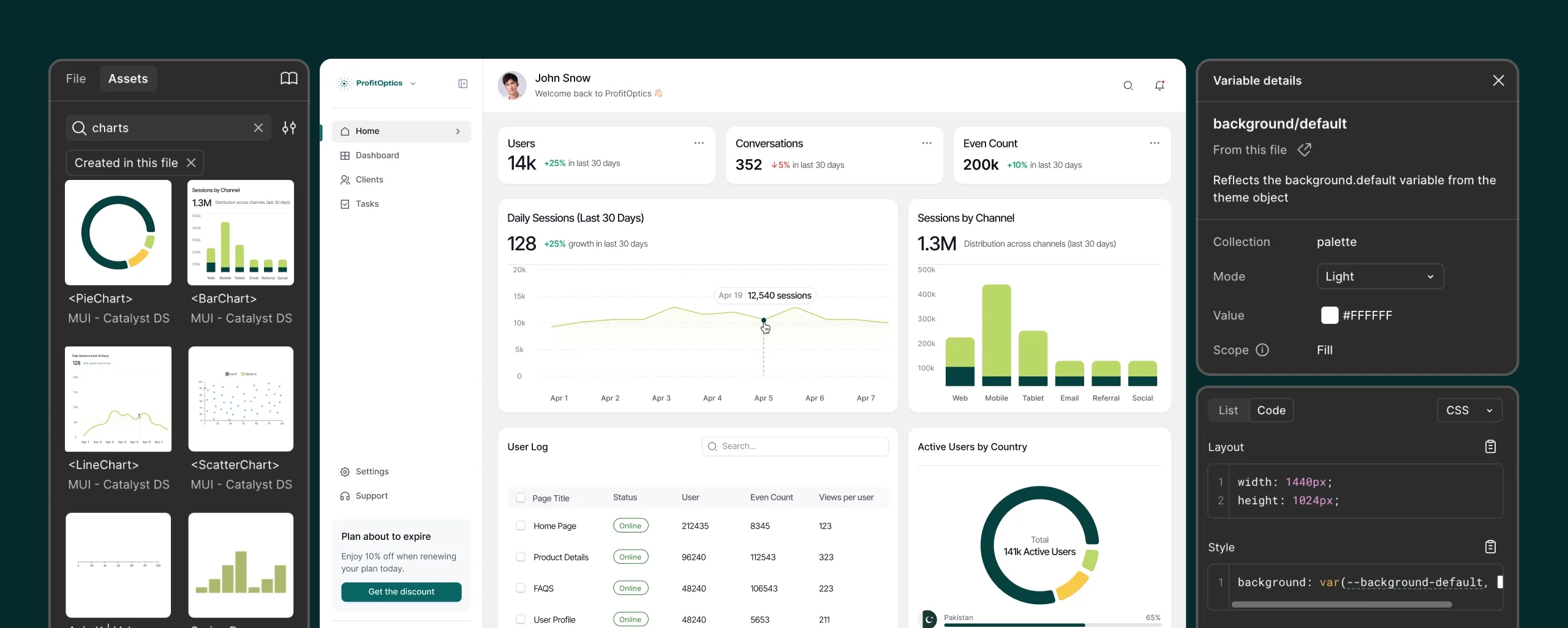
Drove 10x efficiency gains for an Inc. 5000 consulting firm with a custom design system and Figma plugin.

How We Do it
What goes into agentic UX design.
Onboarding architecture
Build flows to mirror how people already work, so new features click instead of getting ignored.
Behavioural triggers
Nudges and prompts placed at the right moment, turning a one-off visit into a habit
Agent transparency
The agent works while the user is away. We design what it shows, progress, reasoning, options considered, tradeoffs made. A result without reasoning is a fait accompli. Users don’t trust those.
Value progression design
Get real value surfaced early, so leaving the product gets harder the longer someone stays.
Feature differentiation
Design the details that make a feature worth talking about, so it gets recommended instead of just tolerated.
Retention-driven UX
Daily use is crafted to feel effortless, so renewal ends up feeling like a formality, not a decision.
Outcome engineering
We turn months of development into outcomes users can actually see and feel, not just a line buried in the changelog.


How We Work
How a feature adoption
engagement works.
We map how users move through exposure, activation, first use, and return use. Where they drop, we dig. Analytics first, session recordings second, user interviews where the data can’t explain itself.
Low adoption has a cause: users don’t know the feature exists, don’t understand its value, hit friction on first use, or tried it once and got a weak result. Each cause has a different fix. We identify yours.
We build the system: components, AI states, documentation, and design system foundations in code. Every component is designed for your product’s actual use cases.
We ship the redesign and instrument the metrics that matter for AI features accept rates, bypass rates, return usage. Not just clicks.
Adoption is not a launch-day event. We run improvement cycles on live data, refining flows, catching new drop-offs, and compounding gains as usage grows.
What You Get
What’s on the other side of feature adoption
Satisfaction
Users will notice the product fitting their workflow, instead of asking them to adapt to it.
Engagement
Every adopted feature gives someone one more reason to open the product, and to open it more often than before.
Retention
The more real value someone finds inside the product, the harder it becomes to justify walking away from it.
Loyalty
Features that earn their place turn into things people bring up to coworkers, not just features they quietly put up with.
Renewals
Subscriptions stop running on good intentions and start getting justified by what people actually rely on daily.
Return on effort
All those months of engineering finally show up as something real, an outcome someone can point to and feel.
Two kinds of teams come to us.


Building an AI product from the ground up, usually racing to prove real value fast, because users will write off anything that feels like a demo within minutes of trying it.


Shipping features on a steady cadence but noticing adoption hasn’t kept pace, leaving a roadmap full of things that sound good in a release note but sit mostly untouched in the product.
Your questions, answered.
Working and adopted are different. Users need to discover the feature, understand its value, succeed on first use, and build a habit. Each step is designed, or it doesn’t happen. Most low-adoption features fail at discovery or first use, not at capability.
Yes, the audit starts with your funnel data. Where analytics can’t explain the drop, we add session recordings and user interviews. Diagnosis before redesign, always.
Usually. Most adoption gaps are experience problems, discovery, onboarding, friction, expectation-setting. The majority of fixes ship in-app without touching the AI itself.
Yes. Most adoption engagements start with products we’ve never touched. The audit works the same way, funnel first, diagnosis second, redesign third.
Standard activation metrics plus AI-specific signals: how often users accept, edit, or discard AI output. How often they bypass the AI for the manual path. Whether they return after the first use. These reveal what DAU hides.
The audit takes one to two weeks. Redesign and shipping depends on scope, typically two to four weeks. Iteration cycles continue as long as they’re compounding.
Connect with us
Let’s talk about your product.
Hate contact forms? Direct contact!