















A New Design Problem
Chatbots respond. Agents act. The design rules just changed.
A chatbot waits for the next prompt. An agent plans, executes, and keeps working while the user is away. It books, submits, updates, triages. The actions are real, and so are the consequences.
Most teams ship the agent before designing the experience around it. Users feel that gap as one thing, loss of control. The fix isn’t a better model. It’s designing delegation, oversight, and recovery, with a human in the loop from the first interaction.

How We Do it
What goes into agentic UX design.
Agentic flow design
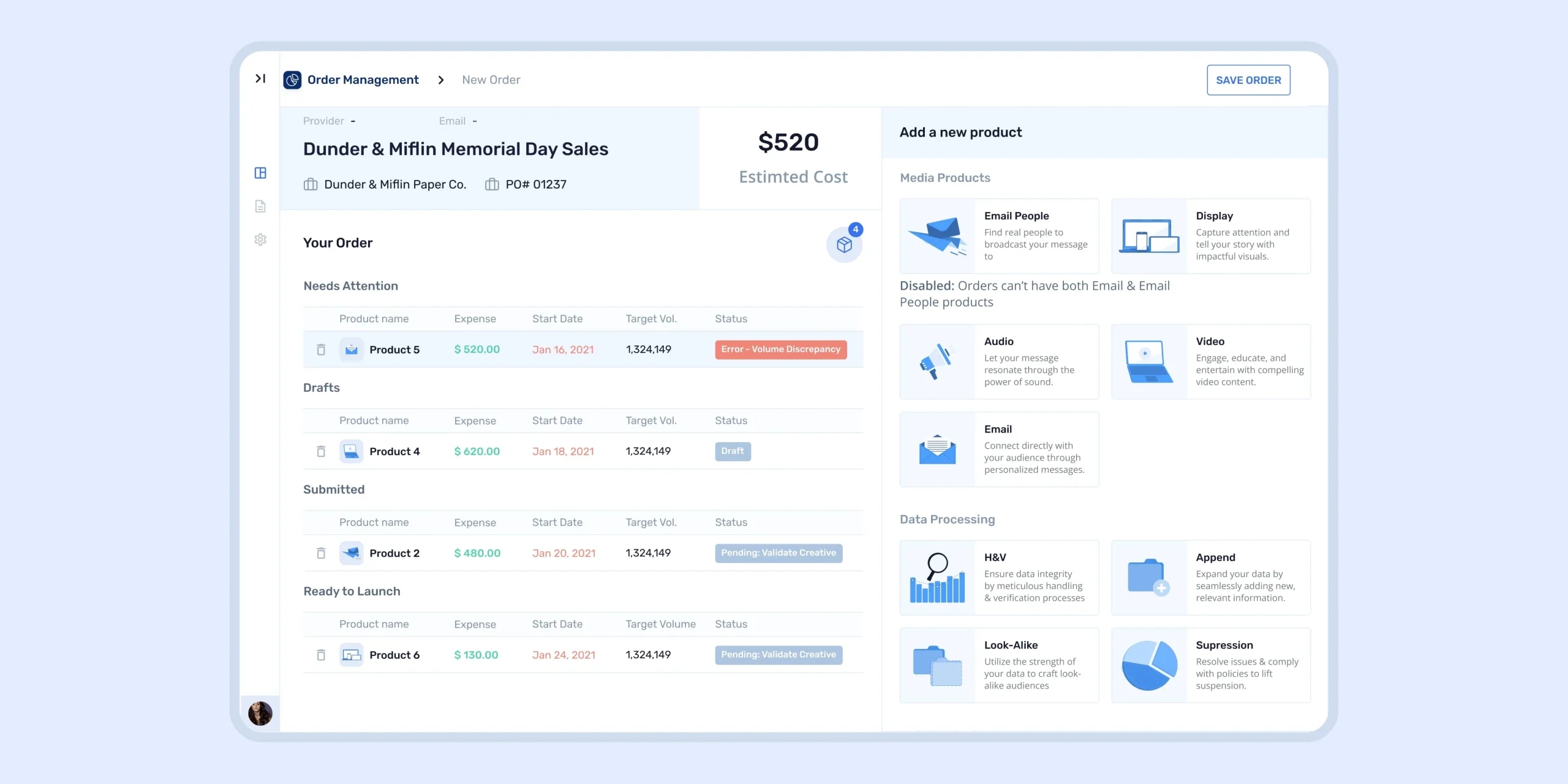
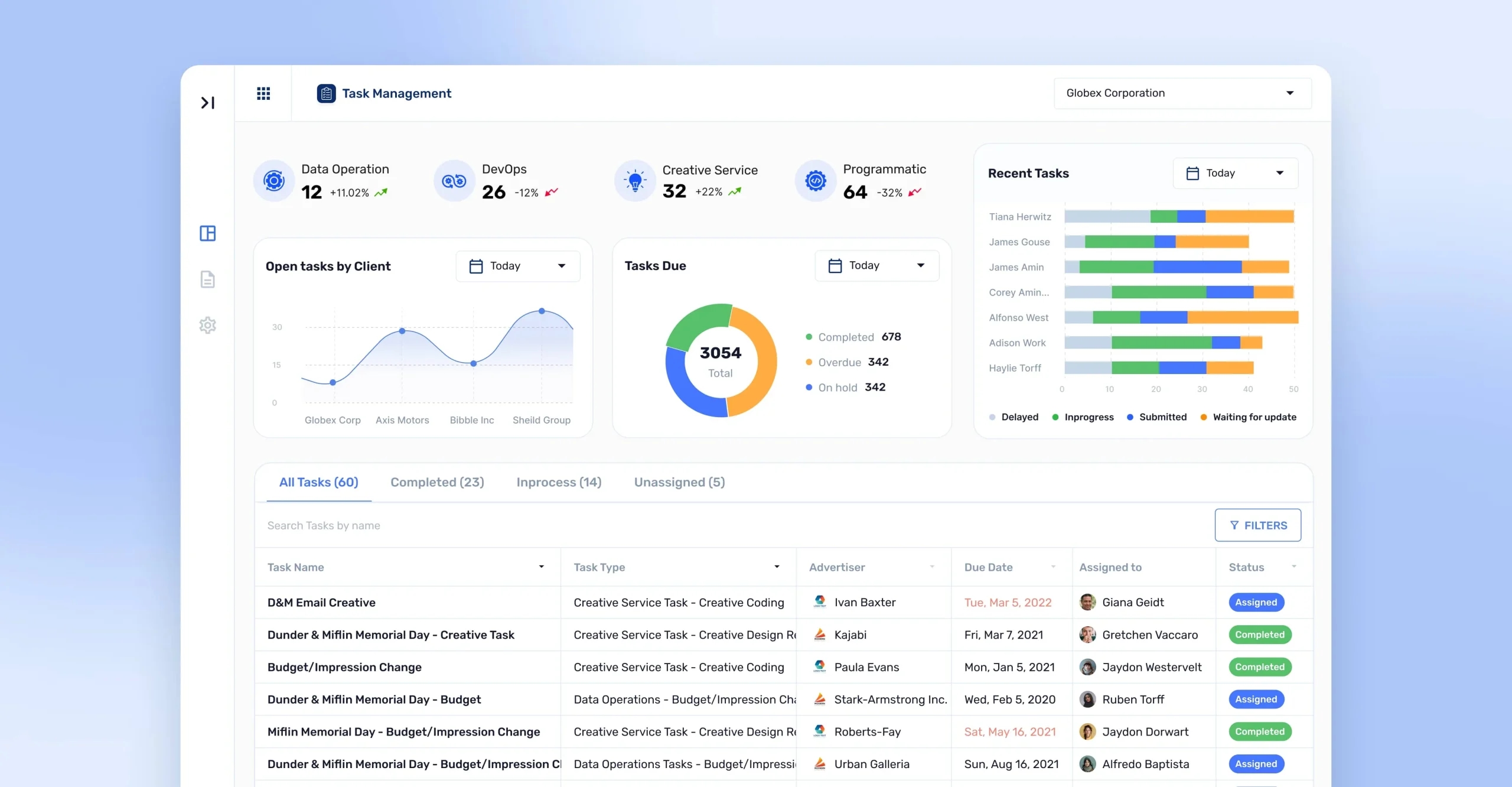
We map the full task, what the agent or agents do, what the user does, where the handoffs happen. Intent first, screens second.
Delegation & confirmation patterns
Not every action needs approval. Not every action can skip it. We define which is which, and design confirmation that informs instead of interrupts.
Agent transparency
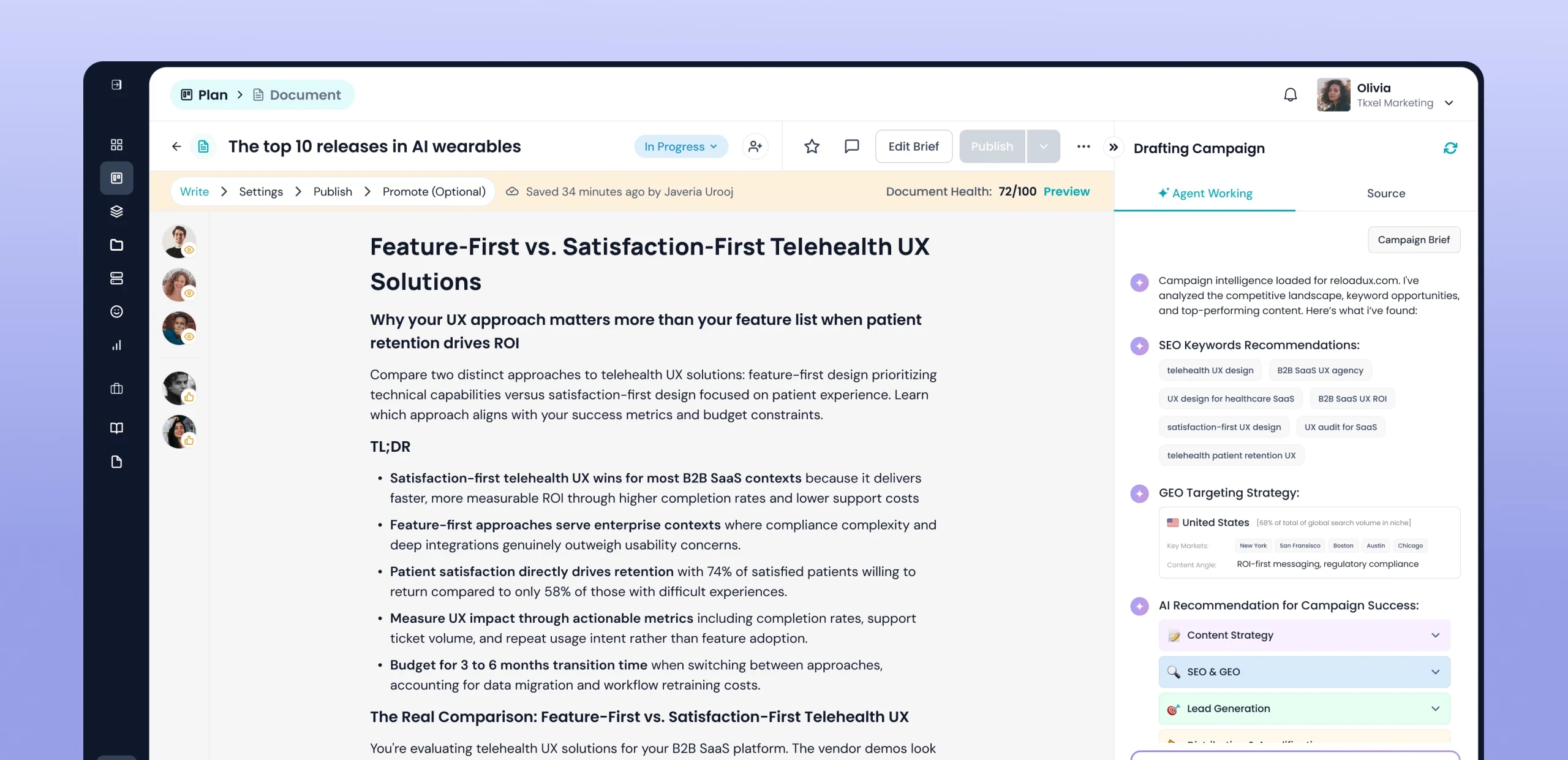
The agent works while the user is away. We design what it shows, progress, reasoning, options considered, tradeoffs made. A result without reasoning is a fait accompli. Users don’t trust those.
Human-in-the-Loop control
Which use cases, which capabilities, which quality bar define v1? We draw the line, what ships, what waits, what gets cut. Every decision is documented and defensible.
Failure & recovery states
Agents fail mid-task, with real actions already taken. We design the recovery: what the agent says, what it undoes, how it hands back control.
Progressive trust design
Autonomy expands as reliability is demonstrated. Approval gates early, notifications later. The user’s own history sets the pace.

How We Work
How an agentic UX design engagement works.
What is the user trying to accomplish? What can the agent or agents do, and what must stay human? We map the task, the data flows, and the boundary between automation and judgment.
We design the delegation model, confirmation patterns, status surfaces, override controls, and the trust progression from supervised to autonomous. For multi-agent workflows, we design the orchestration.
Real users, working prototype, real agent behaviour. We test whether users understand what the agent is doing, trust what it did, and know how to intervene.
Front-end code, not Figma. Agentic interaction patterns in the design system. Documentation your dev team, and their AI tools, can build from. But handover isn’t the end. For agents, it’s the starting point.
An agent isn’t built once. It matures with use. Users correct it, override it, teach it, and that feedback is the agent’s most valuable design input. We design the feedback loops, define what the agent remembers, and keep improving the experience as real usage data comes in.
What You Get
A scored roadmap, a clear MVP scope, and reasoning your investors can stand behind.
Intent & task maps
A clear picture of every task, who owns it, and where automation ends and human judgment begins.
Delegation model
Defines which actions run silently and which ones pause to confirm, so nothing catches users off guard.
Status & transparency design
Users see what the agent is doing, why it did it, and what it weighed. Trust is built in the open
Control surfaces
Every point where a human can step in, take back control, or change direction, built in from day one.
Failure & recovery design
When something breaks mid-task, the agent knows what to say, what to undo, and how to hand back cleanly.
Agentic pattern library
A system of tested interaction patterns your team can apply consistently across every agent workflow.
Interactive prototype
A working prototype your engineers can read, run, and build directly from. Screens that actually work.
Feedback loop & agent memory design
Captures every correction and override so the agent learns from real usage and sharpens over time.
Two kinds of teams come to us.


Your agent works. Users watch it nervously, double-check everything, or turn it off. The model isn’t the problem. The control experience is. We redesign from the delegation up.


You’re moving from AI features to AI agents. The capability is there. The delegation experience isn’t. We design how your users hand over work, and why they’ll trust the result.
The questions every team has.
Conversation is about exchange, the AI responds. Agentic is about action, the AI executes. Different design problems, dialogue and intent on one side, delegation, oversight, and recovery on the other. Most real products need both.
Working and trust are different. Agents that act without showing reasoning, without confirmation patterns, without recovery design get monitored constantly or switched off. Design is what converts capability into adoption.
We map it. Repetitive and rule-based gets automated, judgment stays human. This mapping is a design exercise, done with your product and engineering teams before any interface work.
Yes. Single agent or agents working together, the design questions are the same, plus one: what does the user see when multiple agents coordinate? We design the orchestration experience so it never feels like a black box.
That’s designed before launch. What the agent says, what it undoes, how it hands back control. Recovery handled well builds more trust than never failing.
No. Agents mature with use. We design the feedback loops and memory from day one, and we offer ongoing refinement cycles as real usage data comes in, that’s where the agent gets genuinely good.
Two to four weeks for the initial design, depending on the number of agent workflows. Refinement cycles continue after launch.
Connect with us
Let’s talk about your product.
Hate contact forms? Direct contact!