
















Reality
Users don’t search
anymore. They ask.
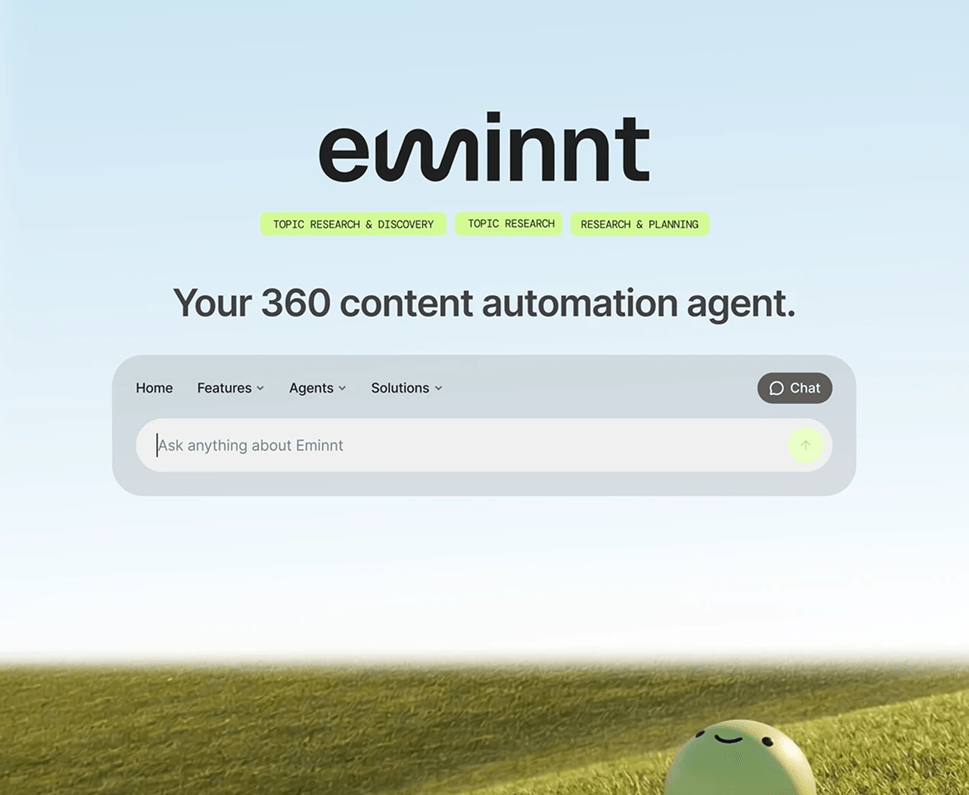
Users ask questions rather than searching for them. They use voice. They chat. They expect products to understand what they’re trying to do, not wait to be told. That shift has already happened. And it has permanently raised the bar for what a good product experience looks like.
The expectation has changed:
Users expect products to feel conversational, not transactional
Users expect AI to surface the right thing, not wait to be asked
Users expect to stay in control, even when AI is doing the work

The New Standard
What AI-Native products actually need
AI-native products aren’t just products with AI features added. They’re designed from the ground up for how users behave now. Four things have changed about how products need to be built:
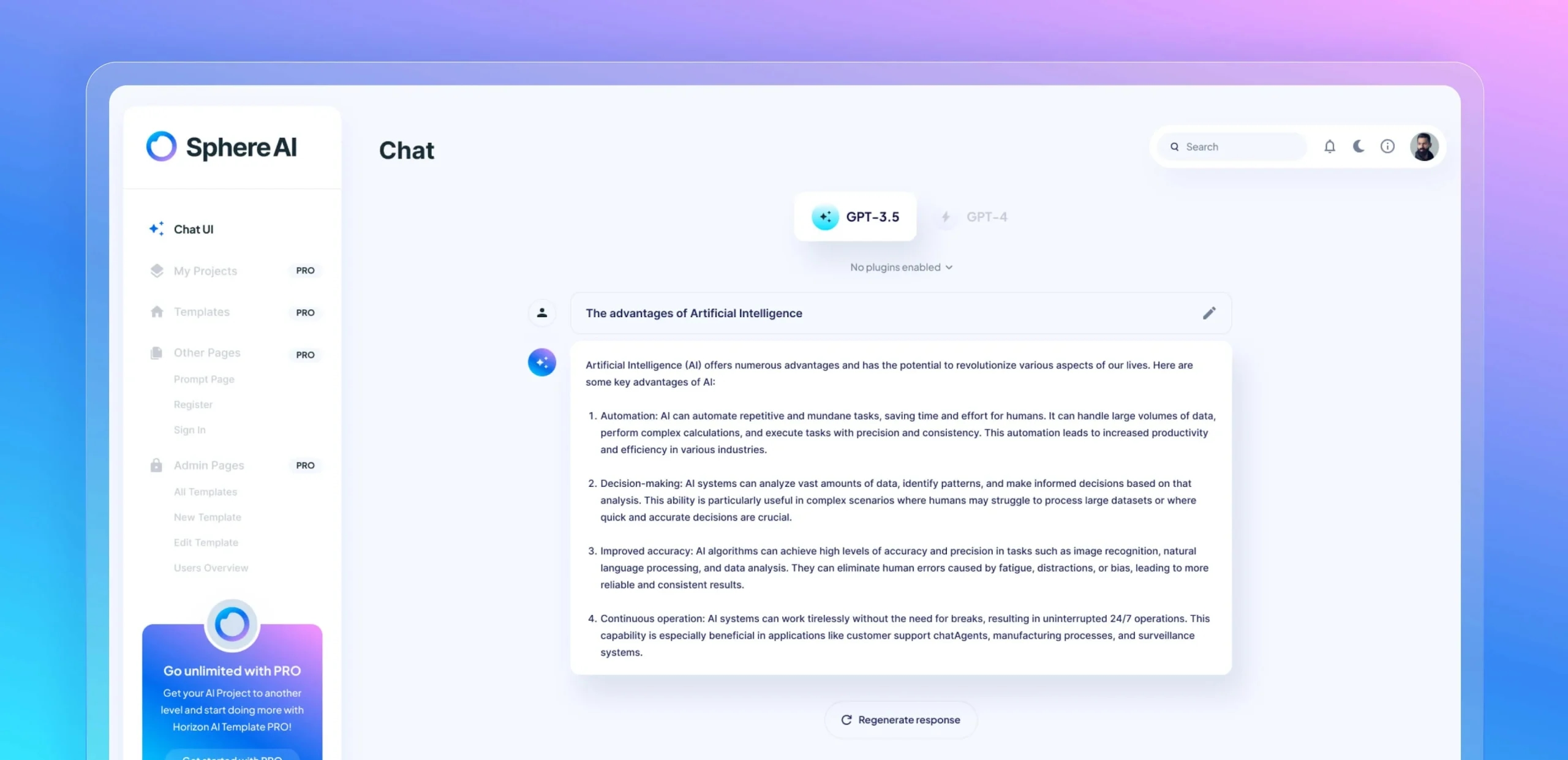
The primary interface is no longer a menu or a form. It’s a conversation. Users express intent in natural language through chat, voice, or context and the product responds. A completely different approach to flows, states, and feedback.
AI introduces uncertainty. Users need to understand what the product is doing, why, and how to correct it when it gets something wrong. Trust isn’t assumed. It’s designed in every output, every suggestion, every automated action.
The next generation of products doesn’t wait for users to act. They anticipate, suggest, and execute, within boundaries the user sets. Designing for this means thinking about delegation, oversight, and what happens when the agent makes a mistake.
Users arrive with assumptions about what your AI will do. When reality doesn’t match, they leave, not because AI failed, but because the experience didn’t set the right expectations. Design must introduce AI capabilities at the right time, in the right context.
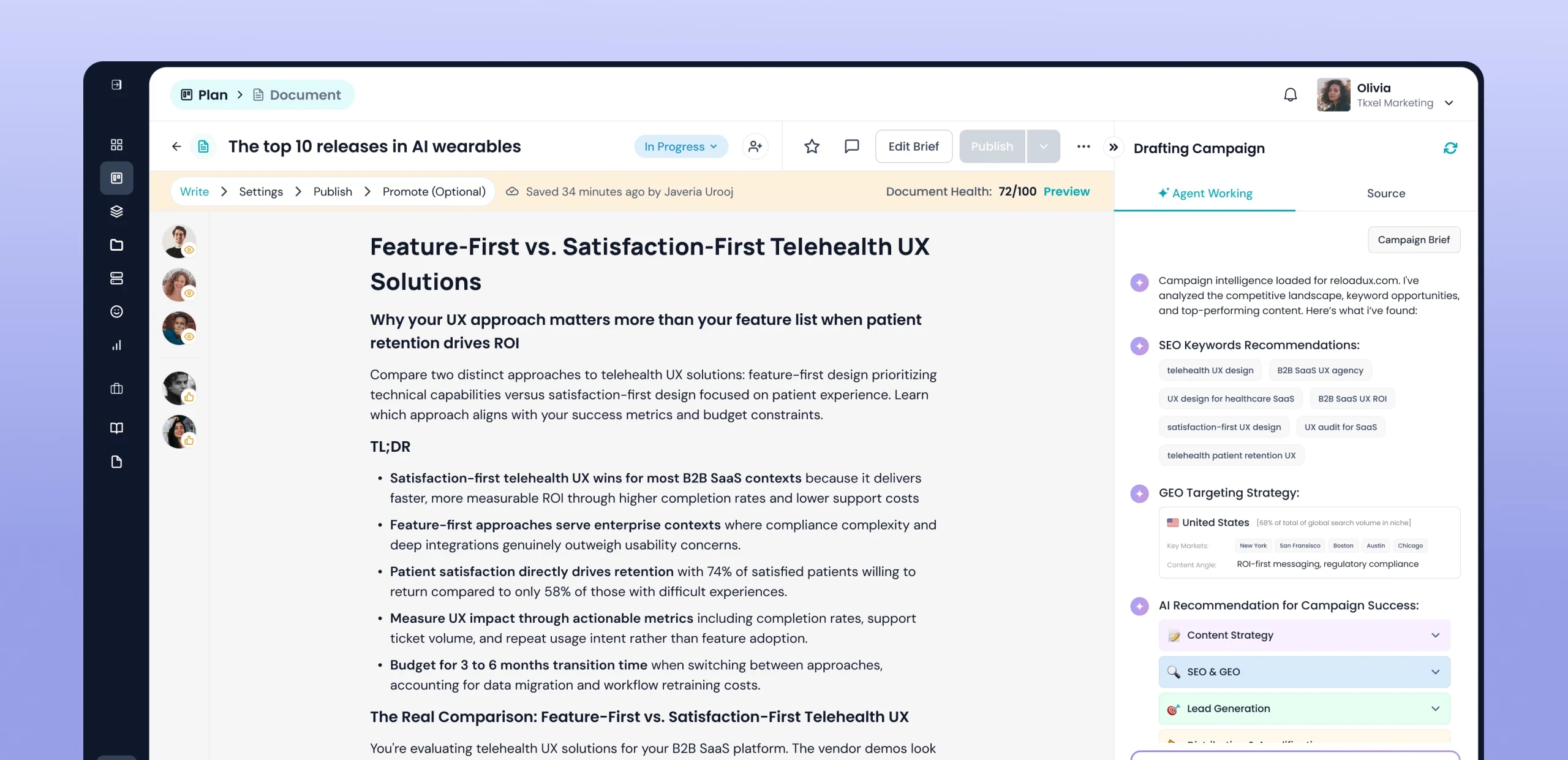
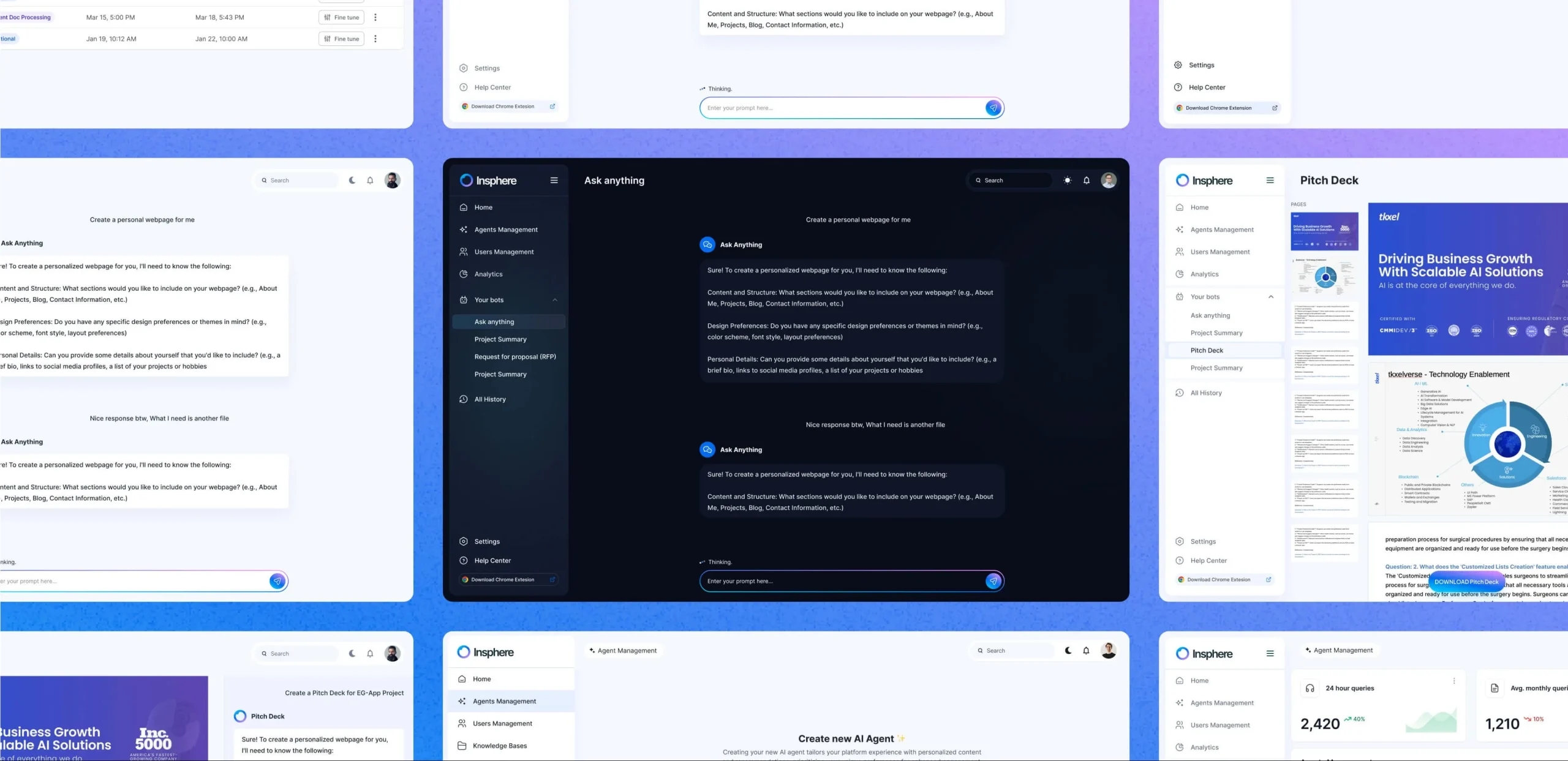
We design AI-native products using a process built specifically for how these products need to be built.
discovery
We start with your users and your AI capability mapping what they’re trying to accomplish and where AI genuinely earns its place.
The foundation is set before any screen exists.
prioritisation
We identify where AI creates real value in your product where it changes the experience in a way users will actually feel.
This is the step that prevents misplaced AI and feature bloat.
system build
Before a single screen exists, the full design foundation is set: tokens, components, UX logic, and the rules that govern how the product behaves.
We define success before we design anything.
product design
One user flow at a time. Working prototypes, not static screens. We design for the full interaction model, conversational patterns, agentic behavior.
Stakeholders review the actual product, not an interpretation
AI design
When conversation is the interface, design shifts entirely, from layouts to language. It’s about how the AI speaks, handles uncertainty, and recovers gracefully.
We design the full experience: prompts, responses, tone, failure states, and every moment.
design
Agentic products act on your behalf, that changes everything about how the experience needs to be designed. Actions are real, so users must feel in control even as the agent works.
We design for delegation, oversight, and graceful failures.
explainability design
We design the trust layer into the product, the signals, confirmations, and feedback loops that make AI behavior legible.
This step determines whether users come back.
handoff
Code-first handoff. Every edge case covered before anything moves to production. Every state documented. Accessible, consistent, and ready for dev.
We slow down deliberately here so engineering doesn’t guess.
After launch, we design for growth. The onboarding flows and experience improvements that turn first-time users into retained ones.
We fix the part most products get wrong, the first experience doesn’t show users enough value.
We work with two types of teams on this service.


You’re building a new product with AI at its core. The technology is there. The demo impresses. But the experience isn’t designed, there’s no trust layer, no conversational flow, no plan for when the AI gets something wrong.
What you need is a design partner who understands how AI products behave with real users and can design the experience layer before engineering goes too deep. We’ve taken AI products from idea to launch across fintech, healthcare, marketing, and automotive. We know what this looks like at every stage.


You’re building a new product line or a new version of your product and you know it needs to be designed for this era, not retrofitted into it. Your users’ expectations have changed. They’re using AI every day. When they come back to your product, they bring those expectations with them.
Your product needs to meet them where they are. We help SaaS teams design AI-native experiences that feel native to how users work now, not how they worked five years ago.
Investor-ready? FAQs about design that secures funding
Trust, behaviour, and interaction design don’t require a live model. We design the experience system — the model plugs into it. We’ve done this across products in fintech, healthcare, marketing, and automotive. The interaction logic, failure states, and trust signals are all designable before the model is integrated.
No. AI-native startups come to us to build their first product right. SaaS teams come to us when they’re building something new and know it needs to be designed for this era — not the last one. The entry point is different; the design challenge is the same.
A working, code-first prototype. Design system specifications. Dev notes. Every state covered — empty, loading, error, success. Every edge case documented before anything goes to production. Ready for engineering to build from directly — not a Figma file to interpret.
A focused MVP sprint runs 3–6 weeks. Ongoing design partnership runs sprint by sprint. We scope properly on the discovery call — no guesswork, no retainer commitments before we’ve understood your product and your timeline.
Connect with us
Let’s talk about your product.
Hate contact forms? Direct contact!