
















Where We’re Seeing
Your UX roadblocks are stopping your product from going AI-native.
High bounce rates, low engagement, and disconnected product areas are already signs that the experience is asking too much from users. Add AI on top of that foundation and the friction does not disappear. It becomes harder to understand, harder to trust, and harder to fix.
It’s not just about whether your product can support an AI feature. The surrounding workflows, interaction patterns, and trust signals also need to be ready. A UX audit and AI readiness assessment shows what is working, what is blocking adoption, and what needs to change before AI is introduced.
Portfolio: Wild Tide · PeopleGuru · NFM
We’ve helped teams evaluate products with real users, uncover usability gaps, and boost conversions.
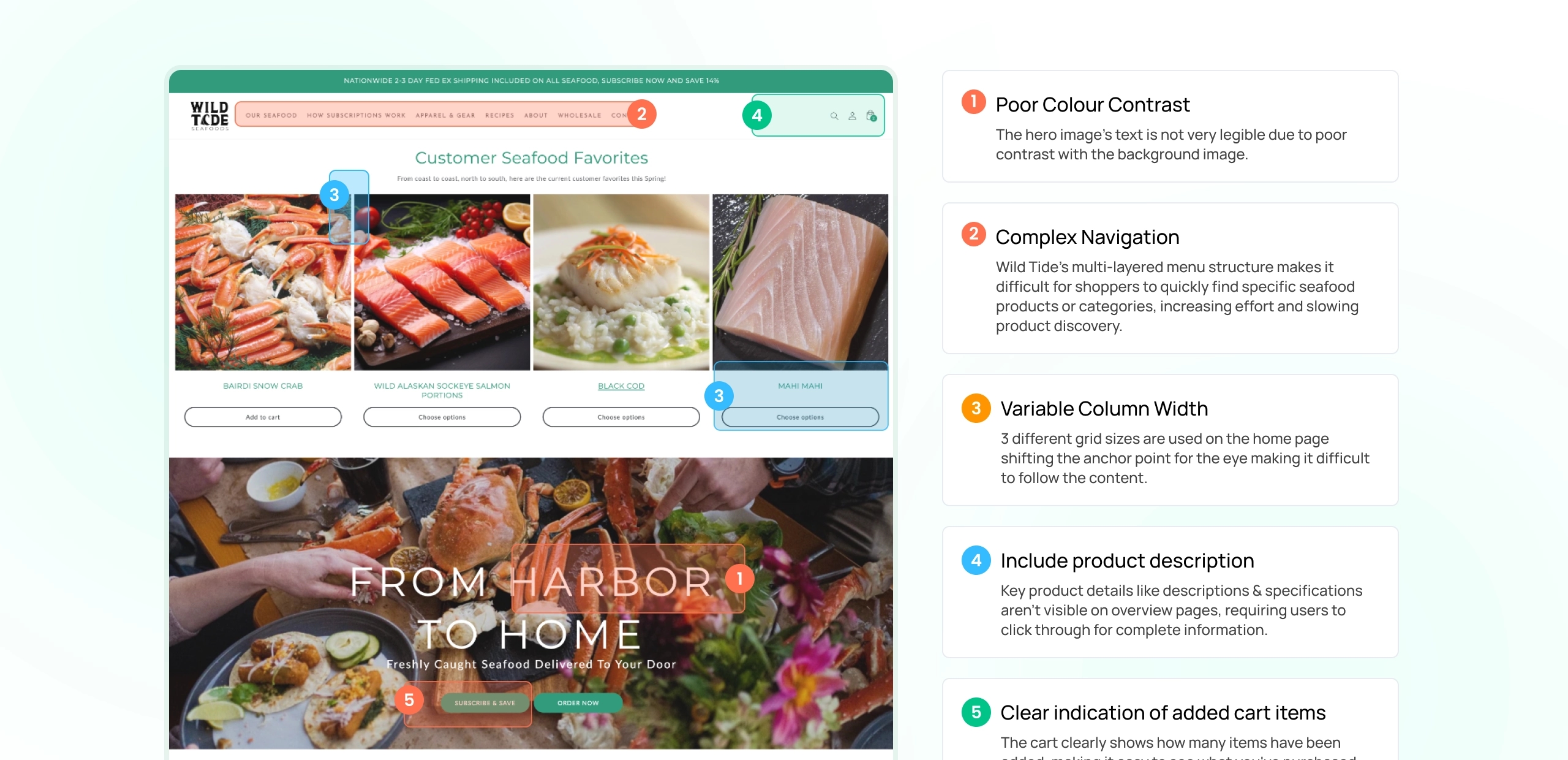
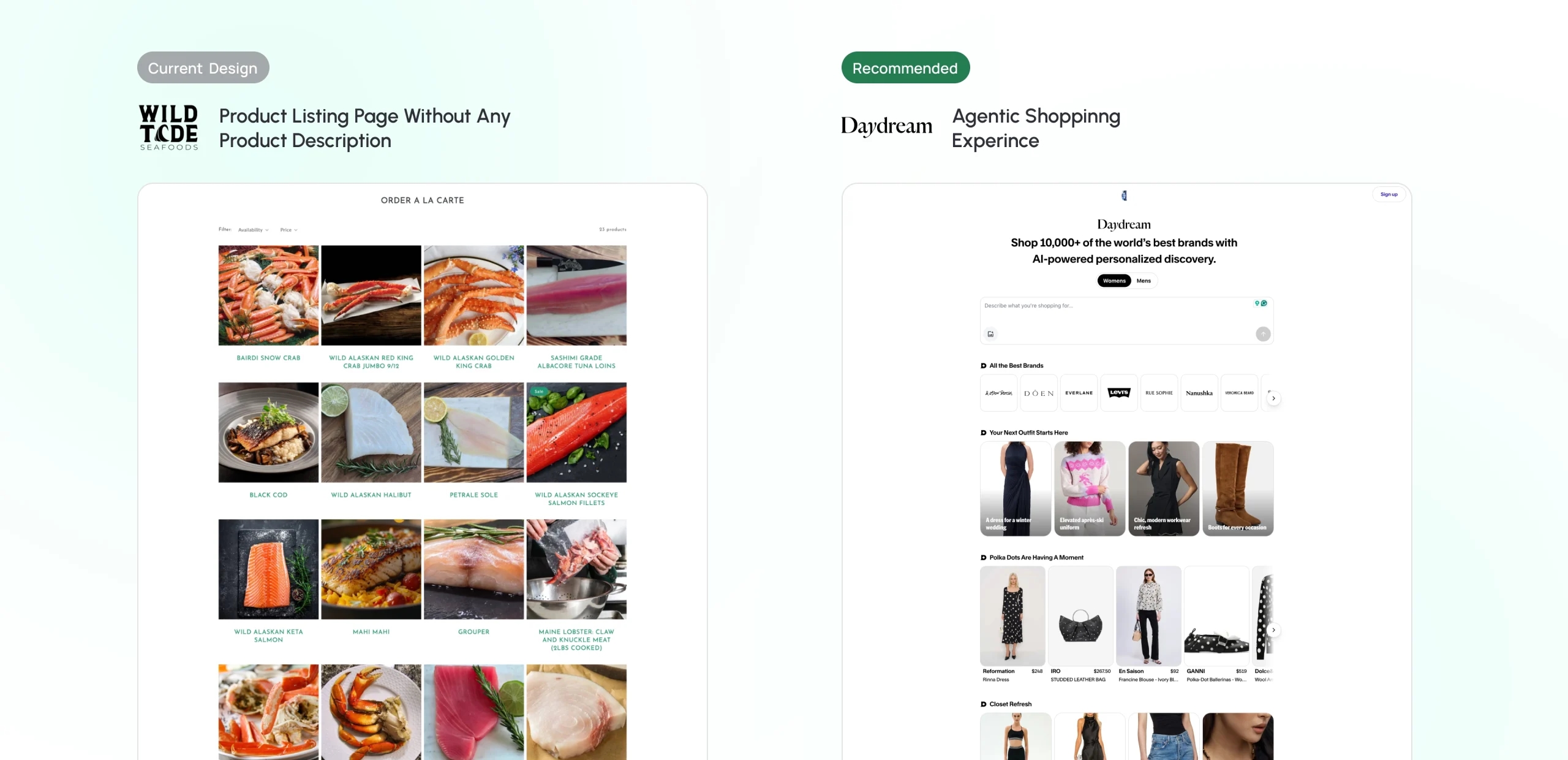
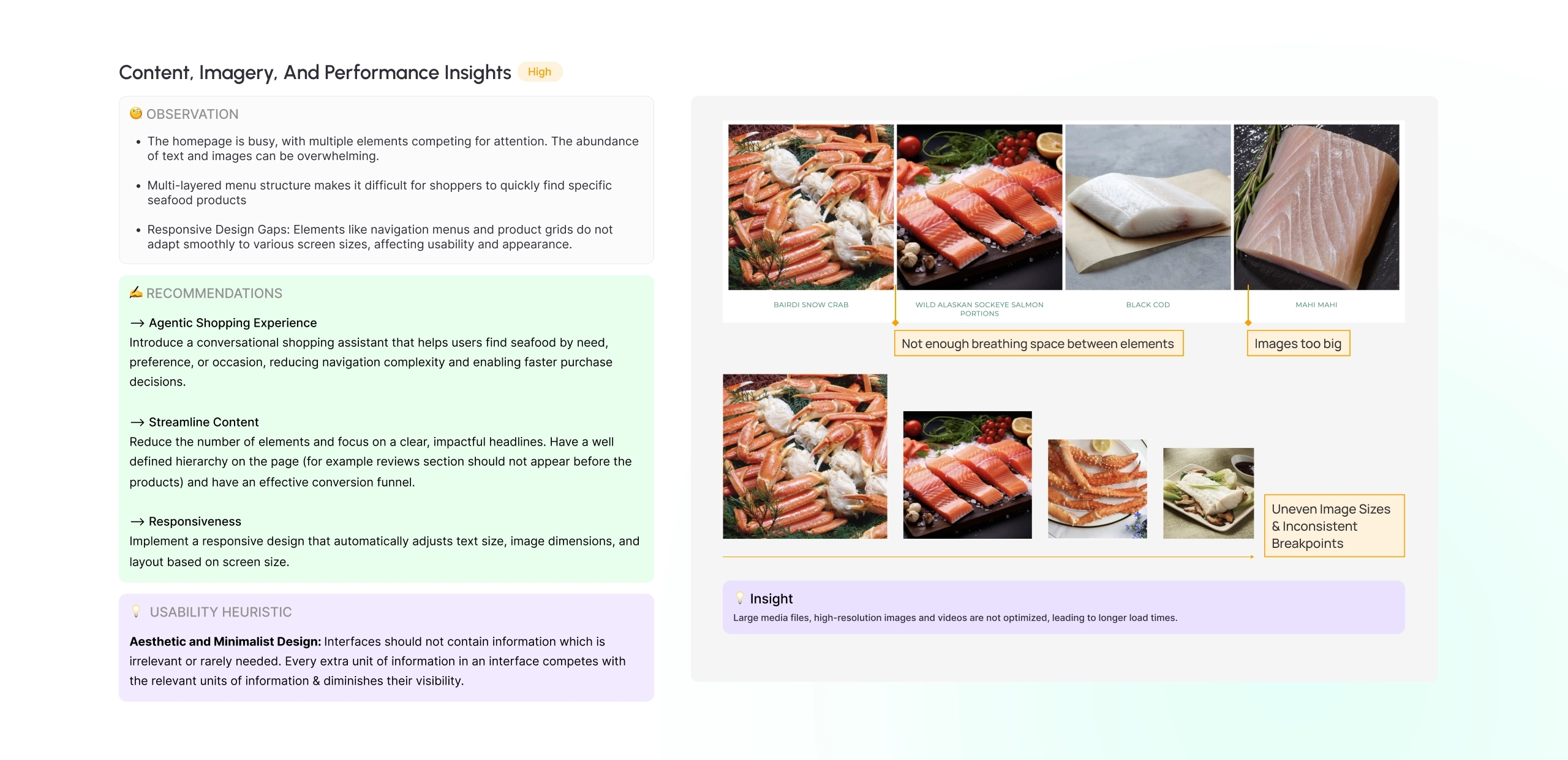
We audited the product’s UX, uncovered navigation complexity as the core barrier, and redesigned toward a conversational, chatbot-driven shopping experience.
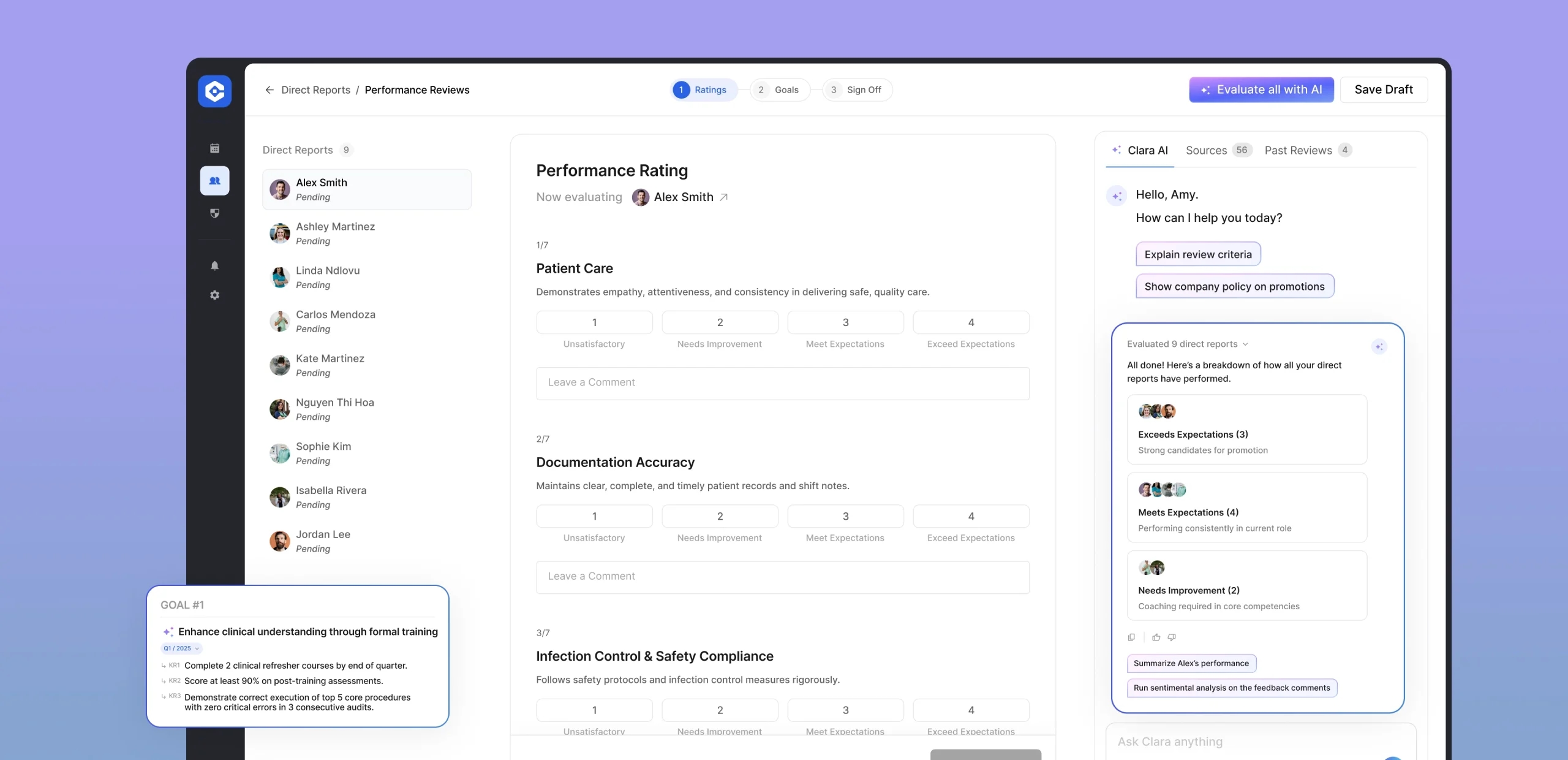
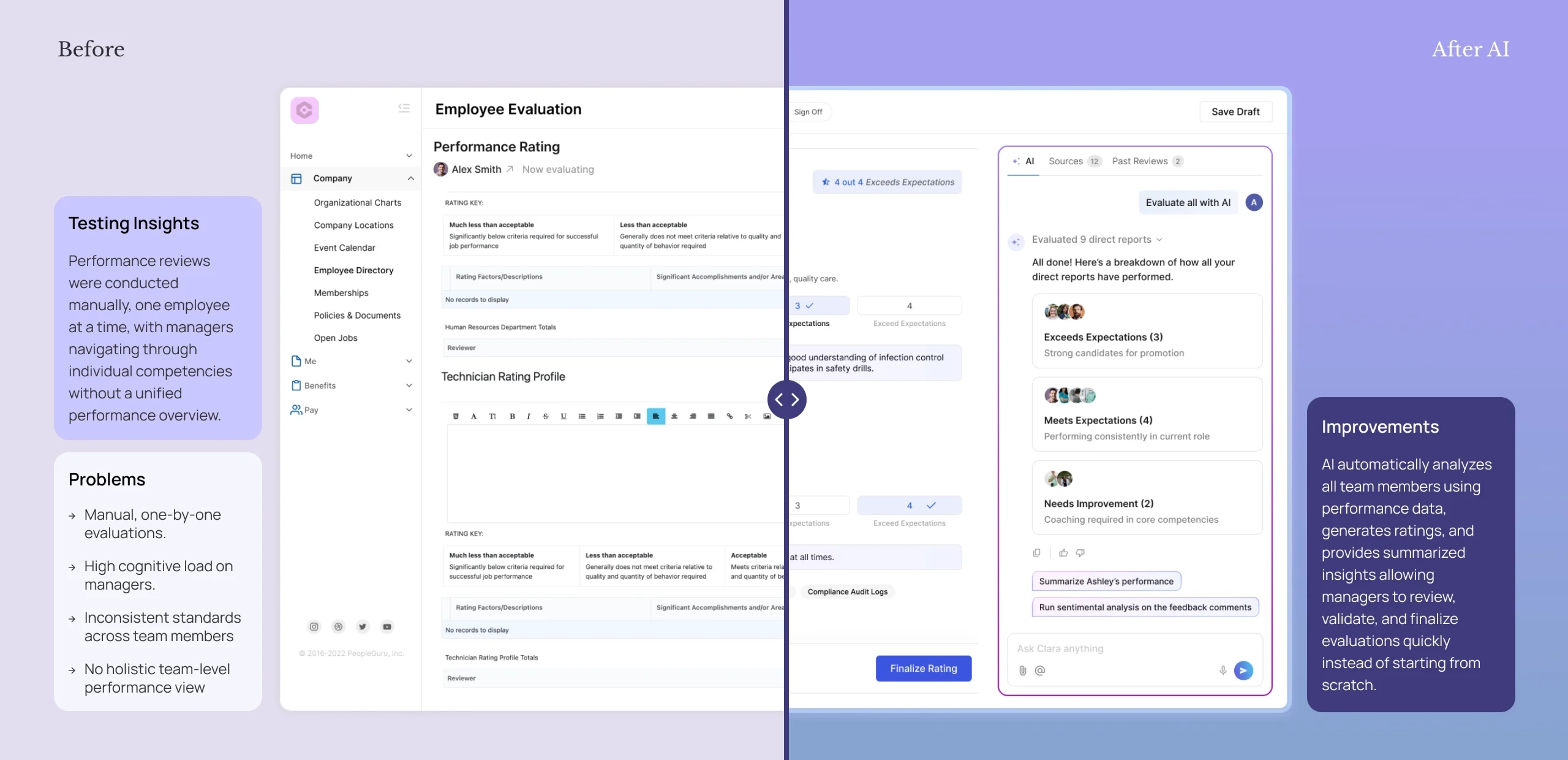
Our UX assessment exposed how the review system forced managers to rely on memory and mapped the shift to an AI-native HRMS where intelligence takes over.
The product assessment your AI roadmap needs.
A structured review of core flows to identify usability issues, confusion, and unnecessary user effort.
Assessment of where AI could improve the experience and where it could introduce risk or broken trust.
Review of key user journeys to uncover drop-offs, repeated work, decision gaps, and interaction bottlenecks.
Evaluation of hierarchy, consistency, and interface patterns that could make future AI features feel disconnected.
Review against relevant WCAG 2.2 criteria to identify barriers that prevent users from completing essential tasks.
A clear roadmap of improvements ranked by severity, effort, impact, and importance to AI readiness.
How We Work
A focused path from product review to prioritized action plan.
A discovery session aligns the audit around your business goals, target users, core workflows, and the role AI may play in the product.
Deliverables:
Core screens, journeys, analytics, and known user issues are reviewed to identify friction, inconsistency, drop-offs, and accessibility concerns.
Deliverables:
Each priority workflow is assessed to determine where AI could improve the experience, what trust patterns it would require, and where the current foundation may create risk.
Deliverables:
Issues are grouped and ranked by severity, effort, user impact, conversion impact, and relevance to future AI integration.
Deliverables:
Your team receives a clear report, prioritized recommendations, and a live walkthrough of what to fix first and why.
Deliverables:
What You Get
A clear view of what to fix before AI is introduced.
UX heuristic and conversion analysis
Usability issues and friction points that may be affecting engagement and conversions
AI readiness review
Assessment of where AI could improve the experience and where it may introduce risk
Workflow and interaction findings
Gaps across key user journeys, decisions, handoffs, and repeated tasks
Accessibility review
Relevant WCAG 2.2 issues that could prevent users from completing essential actions
Prioritized recommendations
Improvements ranked by severity, effort, user impact, and business impact
Implementation roadmap
A clear sequence for applying changes before moving into AI feature design or development
Two kinds of teams come to us.


You’re preparing to introduce AI into a product that is still evolving. Before committing to a redesign or feature build, you need to know where the current experience creates friction, what users already struggle with, and whether the product foundation can support AI without making those problems worse.


You have an established product, real usage data, and workflows that have accumulated over time. AI is now on the roadmap, but disconnected interfaces, low engagement, or accessibility gaps may limit adoption. We identify what to keep, what to fix, and what needs to change before intelligent features are added.
The questions every team has.
An AI readiness assessment evaluates whether your existing product experience and workflows can support AI integration. It identifies where AI could improve the experience and where it may introduce friction, confusion, or trust issues.
A regular UX audit focuses on usability, accessibility, consistency, and conversion. An AI readiness assessment also considers whether current workflows and interaction patterns can support intelligent features safely and clearly.
AI does not operate separately from the rest of the product. Existing UX issues can make an AI feature harder to understand, trust, and adopt. Reviewing both provides a clearer picture of what needs to change.
The process includes goal setting, product and workflow review, heuristic evaluation, accessibility analysis, AI readiness assessment, prioritization, and a final report with an implementation roadmap.
Most audits are completed in one week. Larger products or engagements covering several complex workflows may require additional time.
You receive a prioritized plan showing what needs to be fixed first. The recommendation may be to improve the product foundation before moving into AI opportunity mapping or feature design.
The audit reviews technical readiness at the product and workflow level, including data availability, integration dependencies, and experience constraints. It is not a replacement for a full infrastructure, architecture, or security assessment.
Access usually includes the live product or staging environment, key user flows, available analytics, existing research, and conversations with relevant product stakeholders.
Yes. The scope can focus on AI readiness, but enough UX and workflow context is still required to make the findings reliable and actionable.
The engagement starts at $6,000. Final pricing depends on product size, the number of workflows reviewed, and the depth of assessment required.
Connect with us
Let’s talk about your product.
Hate contact forms? Direct contact!