reloadux

Whitepaper

Does your vibe-coded UI need a polish fix or a full redesign? A founder’s guide

Beyond the vibe is reloadux’s whitepaper on diagnosing vibe-coded UI. It shows whether your product needs pixel-level polish or a ground-up redesign, and how to brief the fix.

Your product works. But users hesitate, re-check its output, or drop off. A visual refresh hasn’t fixed it.

Beyond the vibe: A Founder's framework for escaping AI interface sameness

You’ll learn:

  • Whether your UX problem is cosmetic or conceptual
  • Which of four layers is failing
  • Whether to fix it in-house or bring in a partner
  • How to brief the fix so you don’t redesign twice

Results

  • Volantio: 65% more adoption of Vector, its AI agent, after a trust-layer redesign
  • Calmora: 2x faster booking after a comprehension-layer redesign
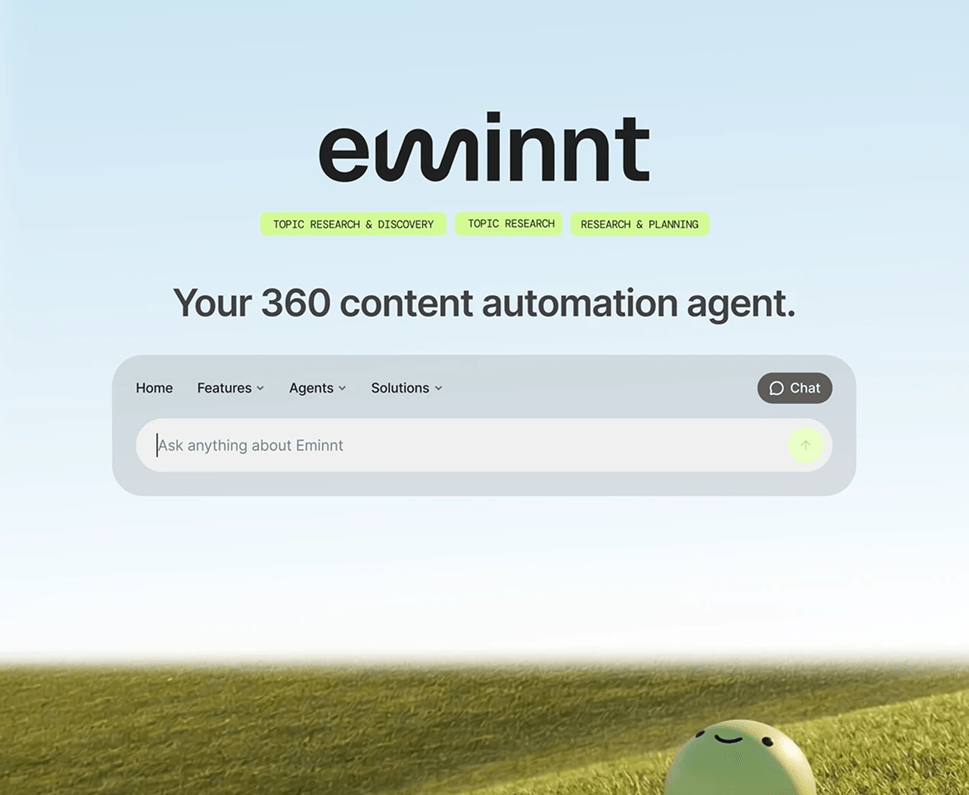
  • Eminnt: 5 to 10 hours a week saved on content research, with all four layers designed in from launch

What misdiagnosis costs

Founders rarely misjudge that a design problem exists. They misjudge where it lives.

  • In reloadux’s experience, each cosmetic fix on a conceptual problem burns 2 to 4 weeks of design and engineering time.
  • Activation and retention drop, referrals stall, and churn rises.
  • The wrong fix can use up a runway quarter before anyone notices.

What the whitepaper covers

Cosmetic problems need visual polish. Conceptual problems need a rethink of the interaction model, or of how users understand the product.

The whitepaper splits this into four layers:

  • Interface: visual and interaction patterns
  • Comprehension: whether users understand what the product did
  • Trust: whether users trust the output enough to act on it
  • Differentiation: whether the product has a signature interaction users remember

reloadux’s interface review found the large majority of AI-native products use nearly identical interaction patterns, regardless of category.

What’s inside

18 pages, including:

  • A build-vs-partner matrix by founder stage
  • A five-step roadmap from diagnosis to brief
  • A seven-part design brief template
  • Three ROI metrics: activation recovery, session depth, and churn over 30 to 90 days
  • Three decisions to make in the first 30 days
  • A diagnostic reference

Who it’s for

  • Founders who built with Lovable, v0, Bolt, or Cursor and have shipped
  • Teams getting vague feedback: users hesitate, ask what just happened, or drop off
  • Teams deciding whether to fix it in-house or with a partner

Prefer to talk first? Book a free discovery call.