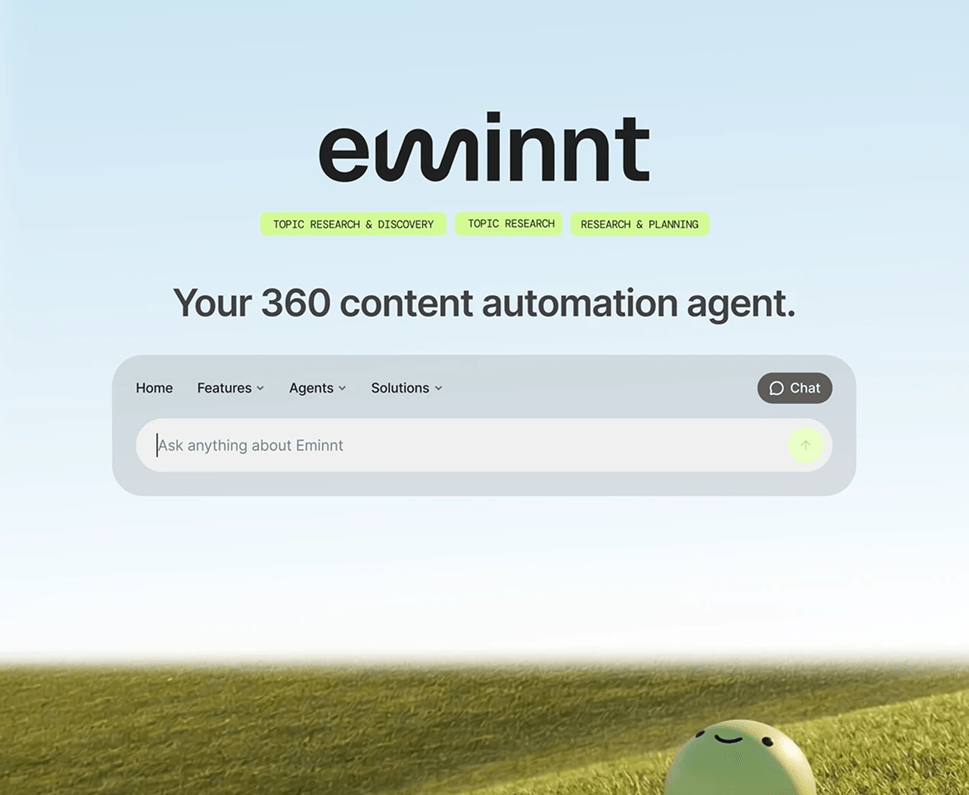


1. User-Centric Information Architecture
The best SaaS websites guide users toward solutions fast. A strategic layout ensures visitors find what they’re looking for without confusion.
Agencies should deliver:
- A clear sitemap and streamlined navigation
- Priority pathways to key pages (product, demo, pricing)
- Content grouped by persona, use case, or industry
This structure should be data-informed, often shaped by session recordings, heatmaps, or behavioral funnels. By aligning architecture with your Ideal Customer Profile (ICP), your site boosts engagement and shortens the sales cycle.


2. Conversion-Focused Page Layouts
Designing for action is the cornerstone of SaaS websites. The agency must use data-backed UX patterns that prioritize conversions.
Expect:
- Hero sections with strong, benefit-focused messaging
- Intent-based CTAs (e.g., “Try for Free” vs “Book a Demo”)
- Trust boosters like logos, testimonials, or security badges
These designs should be regularly A/B tested and refined based on performance data.
3. SEO-Optimized From the Ground Up
very SaaS company needs organic visibility especially for mid and long-tail keywords.
An agency must:
- Use SEO-friendly URL structures
- Integrate keyword-rich H1s and metadata
- Build internal linking pathways
- Optimize schema and technical SEO
Agencies must stay up to date with Google algorithm changes and optimize for user-first experiences, including page speed and helpful content updates.
For a deeper look at SaaS-specific SEO tactics check out the Ahrefs SaaS SEO Guide to understand it.
4. Speed & Performance Optimization

53% of users bounce if a page takes more than 3 seconds to load
What agencies should do:
- Compress and lazy-load images
- Minify JS/CSS and use modern frameworks like Next.js
- Use global CDNs and efficient caching strategies
Fast-loading pages improve bounce rates and increase conversions. Agencies must also optimize for Google’s Core Web Vitals, where some teams take additional guidance from a SaaS SEO agency like Serpprize.
5. Scalable CMS and Content Flexibility
SaaS companies publish blogs, release notes, landing pages, and help docs regularly. A rigid CMS is a bottleneck.
Agencies should recommend:
- Headless CMS options like Sanity or Contentful
- Visual editors (e.g., Webflow CMS) for marketing teams
- Modular templates for fast content creation
Flexibility is key to staying agile. Your CMS should empower both marketing and product teams.

6. Analytics & Conversion Tracking Setup
A great website isn’t just pretty, it’s measurable. Agencies must set up data tracking so you can refine and grow.
What to expect:
- GA4 and custom event tagging
- CRM features with Salesforce integration and HubSpot connectivity
- Behavior insights via Hotjar or Microsoft Clarity
Proper tracking lets teams measure sign-ups, demo requests, and feature engagement in real-time.
7. Brand Storytelling & Visual Identity
Credibility and clarity go hand-in-hand in SaaS. Design should reinforce your value and differentiate your voice.
Key deliverables include:
- Cohesive fonts, color schemes, and UI iconography
- Messaging that reflects your positioning and product tone
- Product walkthroughs or animations for visual engagement
Design is not decoration. It’s persuasion at scale.
8. Mobile-First and Cross-Device Design

With mobile traffic surpassing desktop in many B2B sectors, responsive design is no longer optional.
Must-haves include:
- Breakpoints optimized for mobile UX
- Button sizes and tap zones tailored for thumb navigation
- Testing across browsers and screen sizes
Mobile-first thinking ensures accessibility and consistency across the buyer journey.
9. Security, Accessibility & Compliance
Enterprise buyers demand standards. Your website should reflect your security posture from the first click.
Expect your agency to ensure:
- HTTPS and secure form handling
- WCAG 2.1 accessibility compliance
- GDPR compliance and cookie consent tools
- Code and hosting prepared for pen-testing
These features build trust especially in finance, healthcare, or edtech.

10. Post-Launch Support & Growth Enablement
A great SaaS website is never “done.” It needs to grow as you do.
Your agency should provide:
- Iteration sprints for CRO
- Support for new content or landing pages
- Retainers or partnerships for ongoing A/B testing and analytics
This ensures your website remains a dynamic growth asset not a static brochure.
What should a SaaS website include?
Key elements are a strong value-driven hero, pricing and product info, testimonials, CTAs like “Free Trial” or “Book a Demo,” and trust signals.
Which platforms are best for SaaS sites?
Webflow is great for marketing flexibility; Next.js offers performance and scalability. For large content operations, headless CMS tools are ideal.
How much does it cost to design a SaaS website?
Pricing ranges from $10k–$30k for startups, while enterprise SaaS sites can exceed $100k with custom integrations and CRO optimization.
Is template or custom design better?
Templates work well for MVPs. But if you’re scaling or selling to enterprise clients, custom design tailored to your ICP is essential.
How important is SEO for a SaaS website?
Extremely important. A well-optimized site helps you attract organic traffic, build topical authority, and reduce paid ad reliance over time.
How long does it take to build a SaaS website?
Timelines vary. A simple launch-ready MVP may take 4–6 weeks. A custom, feature-rich site with content and integrations could take 10–14 weeks.
What differentiates a SaaS website from a typical website?
SaaS websites prioritize product explanation, lead generation, and lifecycle content. They include dynamic pages like pricing calculators, signup flows, and integrations overview.

Ahmad Ullah
Principal UX Designer