How is AI impacting the UX design industry?
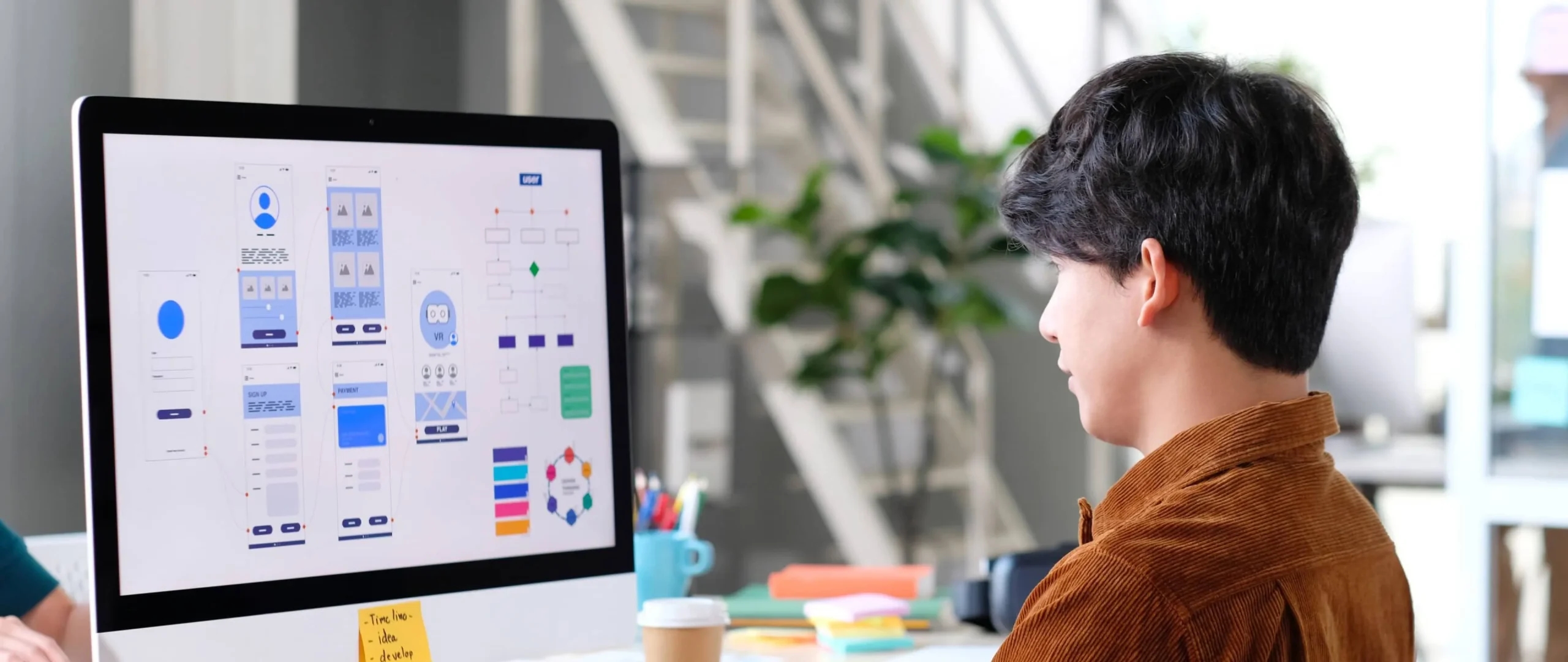
AI is causing a transformative impact on the UX design industry, revolutionizing the way designers approach and craft user experiences. One of the most significant contributions of AI is in the realm of personalization and customization. By leveraging AI algorithms, designers can analyze vast amounts of user data, understand individual preferences, and offer tailored content, product recommendations, and interfaces.
This level of personalization enhances user satisfaction and engagement, creating a sense of individuality and connection with the product or service. Moreover, AI is taking user experience to the next level with predictive capabilities. By analyzing historical user behavior and patterns, AI can anticipate user needs and actions, even before they explicitly express them.
This leads to more intuitive and seamless interactions, where users feel like the product or service truly understands and caters to their preferences. Predictive UX not only improves user satisfaction but also drives higher conversion rates and customer loyalty.
How can designers use AI?
AI serves as a valuable design assistant, offering automated design suggestions based on vast design databases and successful patterns. This not only accelerates the design process but also sparks creativity and allows designers to explore new avenues.
Designers can use AI to streamline their processes, enhance creativity, and create personalized user experiences. AI can automate repetitive tasks, offer design suggestions, and analyze user data to gain valuable insights. Designers can leverage AI to predict user behavior, anticipate needs, and create emotionally intelligent interfaces.
Additionally, AI-powered chatbots and virtual assistants can provide real-time support to users. With AI as their ally, designers can unlock new possibilities and elevate the art of user experience design.

9 Ways UX Designers Can Use AI to Their Advantage
UX designers can use AI to personalize user experiences, predict user behavior, and create emotionally intelligent interfaces. By analyzing user data, AI can offer personalized content and recommendations. AI is a powerful tool that empowers UX designers to craft exceptional and user-centric digital experiences.

Let’s explore 9 brilliant ways designers can use AI to their advantage:
Personalization like Never Before!
Personalization in UI design is the process of tailoring the user interface to each individual user’s needs and preferences. This can be done using a variety of methods, including analyzing user data, using artificial intelligence (AI), and giving users control over their experience.
One of the most common ways to personalize the UI is to analyze user data. This data can include browsing history, purchase history, location, and demographic information. By analyzing this data, designers can identify patterns and trends that can be used to personalize the UI. For example, a designer might notice that a user frequently visits a particular page on a website. The designer could then use this information to make that page more prominent on the user’s homepage.
AI can also be used to personalize the UI. AI can be used to analyze user data and identify patterns and trends that would be difficult for a human to identify. For example, an AI system might notice that a user is more likely to click on ads that are related to their interests. The AI system could then use this information to recommend more relevant ads to the user.
Predictive Delight: Anticipate User Needs
Remember when your favorite app magically provided you with a list of what you were looking for even before you typed it? That’s predictive UX at work! AI can analyze user behavior and patterns, enabling you to predict what users might need before they explicitly state it.
Integrating predictive capabilities into your designs can significantly streamline user interactions and boost engagement. It’s like having a crystal ball for UX design – mind-blowing!
AI can analyze user patterns and historical data to predict user needs and behaviors. By integrating predictive capabilities into their designs, UX designers can offer intuitive and anticipatory experiences, making users feel understood and valued.
A Match Made in Heaven: AI and Chatbots
Artificial intelligence (AI) is rapidly transforming the field of UI/UX design. AI-powered chatbots are one of the most innovative and promising applications of AI in UI/UX design.
AI chatbots are computer programs that can simulate conversations with humans. They are typically powered by machine learning, which allows them to learn from user interactions and improve their performance over time.
AI chatbots can be used for a variety of purposes in UI/UX design, including customer support, lead generation, product recommendations, and personalization.
For example, AI chatbots can be used to provide customer support 24/7. They can answer customer questions, resolve issues, and provide assistance in a variety of languages. This can help businesses to improve their customer satisfaction and reduce the cost of customer support.
AI chatbots can also be used to generate leads by qualifying potential customers and providing them with information about products or services. This can help businesses to increase their sales and grow their customer base.

Emotionally Intelligent Interfaces
Emotionally intelligent interfaces are those that can recognize and respond to the user’s emotional state. This is done using a variety of techniques, including facial recognition, speech analysis, and natural language processing.
AI is playing an increasingly important role in the development of emotionally intelligent interfaces. AI-powered systems can be used to analyze large amounts of data to identify patterns and trends that are associated with different emotional states. This information can then be used to develop interfaces that are more responsive to the user’s emotional needs. For example, The Apple Watch uses AI to track the user’s heart rate and other health data. If the Apple Watch detects that the user is feeling stressed, it might recommend a relaxation exercise.
UX Magic: Automated Design Suggestions
Let’s face it; we all hit the occasional creative roadblock. Fear not, for AI is here to assist! With machine learning algorithms, AI can analyze vast design databases, recognize successful patterns, and suggest design elements that match your project requirements.
It’s like having an AI-powered design assistant always at your disposal. Embrace the creative freedom, and let AI sprinkle some magic on your designs!
AI-driven tools can automate repetitive design tasks and offer design suggestions based on successful patterns. This not only speeds up the design process but also sparks creativity and enables designers to explore new possibilities.
Effortless UX: Simplifying Complex Tasks
Ever encountered a complex form that seemed never-ending? Fear not, as AI can streamline such processes. By implementing AI-powered form validation and auto-fill features, we can reduce user effort and enhance efficiency.
Complex tasks suddenly become a breeze, leaving users with a sense of accomplishment and satisfaction. It’s like transforming obstacles into stepping stones for an exceptional UX journey!
AI can automate complex tasks, such as form validation and auto-fill features, to reduce user effort and enhance efficiency. This simplifies user interactions and improves overall user experience.
Bye-bye, User Frustration: Error Reduction with AI
We’ve all been there – clicking on a button only to receive an error message. It’s a UX nightmare! AI can come to the rescue by analyzing user interactions and identifying potential pain points.
By recognizing recurring errors, we can proactively fix them, leading to smoother and frustration-free user journeys. Goodbye, error messages; hello, happy users!
AI can analyze user interactions to identify pain points and recurring errors. Armed with this knowledge, designers can proactively fix issues, optimize interfaces, and create seamless user journeys.
A Bright Future: AI-Driven User Research
Conducting user research is a cornerstone of UX design, but it can be time-consuming. AI can revolutionize this process by analyzing vast amounts of user data, generating valuable insights, and even conducting sentiment analysis. It’s like having an army of research assistants working tirelessly to help us make data-driven design decisions.
With AI on our side, the future of UX research looks promising! AI can analyze vast amounts of user data and generate valuable insights for designers. By using AI-driven research tools, designers can make data-driven decisions, leading to more impactful design solutions.
Accessibility in design is the process of making websites, apps, and other digital products usable by everyone, regardless of their abilities. AI can be used to identify accessibility issues in websites, apps, and other digital products. For example, AI can be used to identify images that are missing alt text, form fields that are not properly labeled, and other accessibility barriers. Google Lighthouse is a free tool that uses AI to analyze the accessibility of websites. Lighthouse can identify a variety of accessibility issues, such as missing alt text, improper form labeling, and low color contrast.

Endnotes:
So there you have it, my fellow designers – nine fantastic ways to harness the power of AI and take your UX designs to soaring heights. Embrace the possibilities, experiment fearlessly, and keep your users at the heart of everything you do. Remember, with great AI comes great UX responsibility!
AI is a powerful ally for UX designers, offering a range of tools and capabilities to create personalized, predictive, and emotionally resonant experiences. By embracing AI, designers can elevate their craft, streamline processes, and deliver outstanding user experiences that leave a lasting impression on users. The future of UX design is undoubtedly intertwined with the endless potential of AI.
Now, go forth and weave some magic into your designs. Your users will thank you, and your UX game will reach new heights. Happy designing!
For an in-depth exploration of how UX designers can maximize the power of AI, You can visit: AI UX design: A New Way Of Designing

Shahmir Farooq
Sr. Communication Designer