
Increased Revenue
Here are some of the major benefits of adopting such an approach:
Design systems lead to cohesive, consistent experiences. This means that the users master your UI faster, leading to more conversions and more revenue based on the metrics that your stakeholders care about.
Greater Collaboration
Centralizing UI components in a pattern library establishes a shared vocabulary for everyone in the organization, and creates a more collaborative workflow across all disciplines. With everyone speaking the same language, more time is spent getting work done and less time is spent dealing with superfluous back-and-forth communications and meetings.

Fast-Tracked Production
Design systems make cross-browser/device, performance, and accessibility testing easier; vastly speeding up production time and allowing teams to launch higher-quality work faster. In addition, baking things like accessibility into a living design system scales those best practices, allowing your interfaces to reach more users while reducing the risk of you getting sued!
Atomic Design Pattern: A Foundation for Efficiency
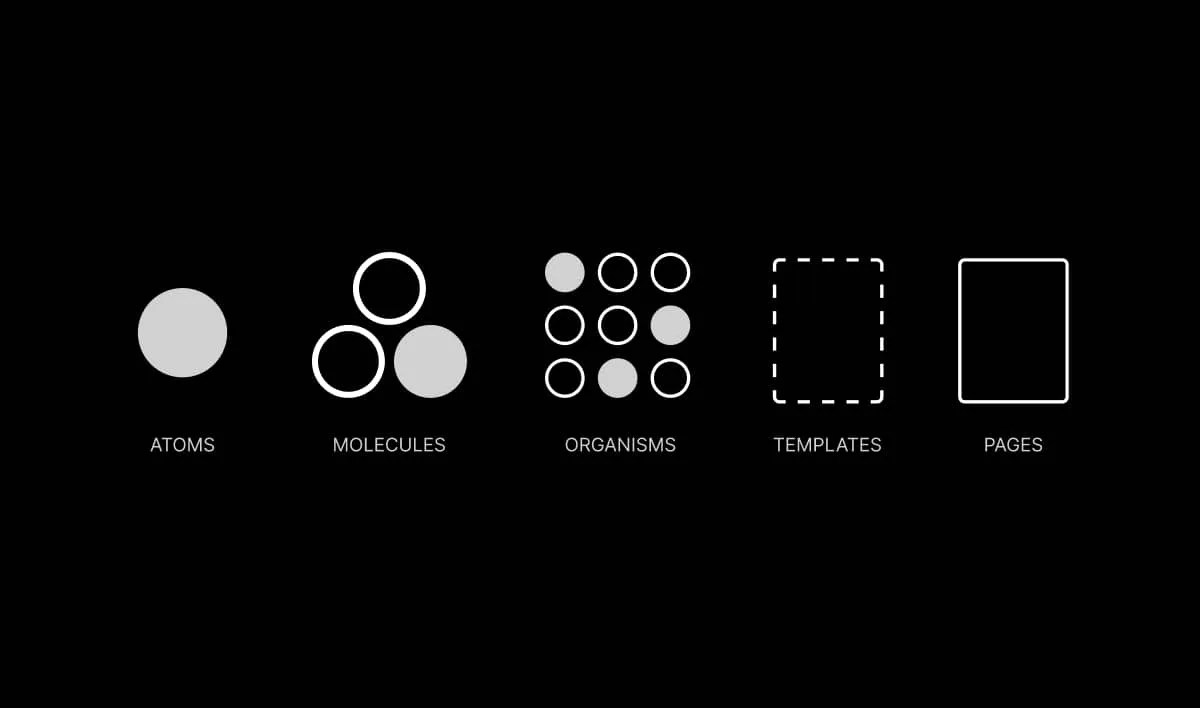
At the core of the atomic design system lies the concept of breaking down design elements into their smallest, most fundamental parts – atoms. These atomic elements, such as buttons, forms, and icons, serve as the building blocks for more complex components and, eventually, entire interfaces. This meticulous breakdown ensures a systematic and organized approach to UX design, paving the way for a streamlined workflow.
Enhancing UX Design Workflow with Atomic Principles
The marriage of atomic design and UX design workflow is a symbiotic relationship that significantly elevates the creative process. By adhering to the atomic design principles, designers can seamlessly integrate new elements into the existing design system. This not only expedites the design process but also promotes consistency and coherence across different sections of a digital product.
Atomic Design in Frontend Development: Unifying Design and Code
The benefits of incorporating the atomic design pattern extend beyond the realm of UX design workflow and into frontend development. The atomic design system facilitates a cohesive collaboration between designers and developers, as the modular structure aligns with the building blocks of code. This synergy ensures that the final product remains faithful to the initial design, minimizing discrepancies between the creative vision and its technical implementation.
Optimizing Design System Workflow for Greater Productivity
One of the primary advantages of adopting an atomic design system in UX design workflow is the optimization of the overall design system. The meticulous organization of design elements into atoms, molecules, organisms, and templates fosters a scalable and adaptable system. This scalability, in turn, empowers designers to efficiently create and maintain a comprehensive design system, ensuring that it evolves seamlessly with the project’s requirements.
Unveiling the Comprehensive Benefits of a Design System
The integration of the atomic design pattern into UX design workflow goes beyond mere organizational benefits. It unveils a comprehensive set of advantages encapsulated within the broader concept of a design system. This holistic approach enhances collaboration, promotes design consistency, and accelerates the iterative design process, ultimately leading to a superior and more user-centric final product.
Future Proof Products
Once a design system (with accompanying pattern library) is established, it serves as a future-friendly foundation for the organization to modify, tweak, extend, and improve on over time. Doing some A/B testing? Roll the lessons from those tests into the living design system. Made some big performance optimizations? Roll them into the living design system! The living part of living design systems means they can always adapt to meet the future needs of the organization, saving time and money all the while.
Conclusion
In conclusion, the incorporation of the atomic design pattern in UX design workflow is not just a trend; it’s a strategic move towards a more efficient, scalable, and collaborative design process. As designers continue to navigate the complexities of modern digital interfaces, embracing the atomic design system emerges as a key catalyst for success.
So it’s important to bear in mind that even though at the start, the atomic design approach will require plenty of extra effort to implement, it will all pay off in the long run! You don’t just create a bunch of buttons and pages. You create a system. It will therefore allow you to have a system that is fully documented and can be scaled for dozens of your client’s projects (think of all the time & money you’d save on). So now that you know the benefits of integrating an atomic design system into the workflow processes, what are you waiting for?


Ahmad Ullah
Principal UX Designer