What is a Customer Journey Map?
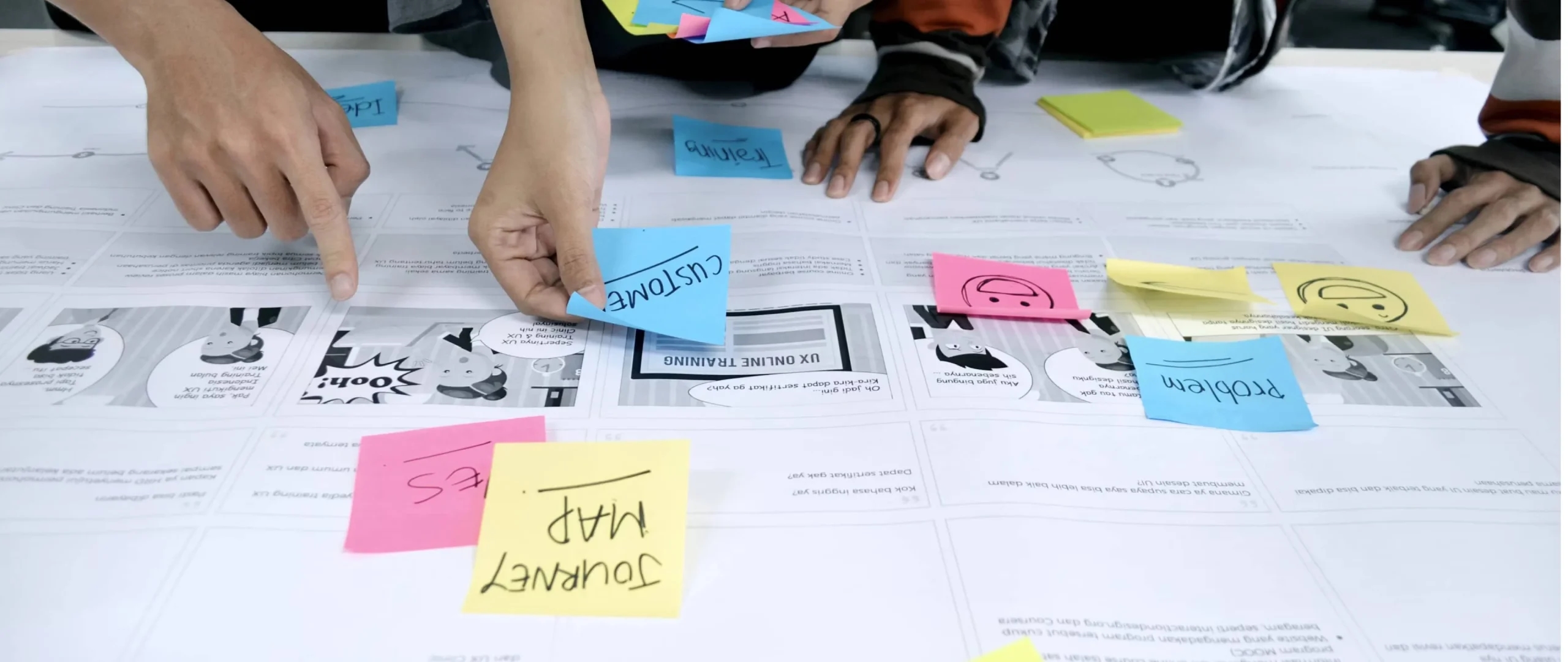
A journey map is your secret weapon for truly understanding your customers. It’s a detailed, visual representation of every interaction a customer has with your business—from the moment they first hear about you to the point they (hopefully) become loyal advocates. This tool helps you step into your customers’ shoes and see the world through their eyes.
Imagine this: You’re running an online store. A potential customer stumbles across your ad on Instagram, clicks the link, browses your website, adds an item to their cart, hesitates, and leaves. Days later, they receive an email reminder and finally decide to purchase. Every one of these steps, from the ad click to the purchase decision, is a part of their journey—and mapping it out helps you understand what’s working and what’s not.
But here’s the kicker: a customer journey map isn’t just a fancy tool. It’s an essential blueprint for any business that cares about growth, customer retention, and long-term success. By visualizing every stage of the customer’s experience, you can identify gaps, pain points, and opportunities you might not have noticed otherwise.

At its core, a customer journey map consists of the following elements:
- Customer persona(s): Who is your customer? What are their goals, motivations, and frustrations?
- Stages of the journey: What are the key phases your customer goes through (e.g., Awareness, Consideration, Purchase, Retention)?
- Touchpoints: What are the specific places where your customer interacts with your business (e.g., social media, website, emails)?
- Pain points and opportunities: Where is the customer struggling, and where can you enhance their experience?
In essence, a customer journey map bridges the gap between your perspective as a business and your customer’s lived experience. By stepping into their shoes, you gain the clarity needed to fix pain points, double down on what works, and ultimately create a journey that turns browsers into buyers—and buyers into superfans.

Why is a Customer Journey Map Important?
In today’s hyper-competitive market, customer experience is the ultimate differentiator. Think about it—two companies can sell nearly identical products, but the one that makes the buying experience easier, faster, and more delightful will always come out on top. That’s where a customer experience roadmap comes into play. It’s not just a strategy; it’s your roadmap to unlocking business growth and customer loyalty. Customer experience is the ultimate differentiator in today’s competitive market
Here’s why it’s so important:
It Helps You Understand Your Customers
A customer journey map makes you look at the customers and what they actually go through in real life. It underlines feelings and moods, anger, and desire to do something. For example, you may believe customers are running away from your site due to high prices, but the map shows that it is the complex and time-consuming checkout that puts people off.
It Finds Out Challenges that Leads To Loss of Customers
You probably don’t know that a single bad experience can drive 80% of customers to a competitor. That is why a journey map highlights when it becomes challenging for a customer, for instance, in terms of navigation, shipping fee clarification, or payment methods. Addressing these issues can lower churn rate and therefore enhance satisfaction.
It Helps to Mould Your Team Along a Shared Vision
It could be surprising how much the marketing department and, let’s say, the sales department differ in their vision of how the customer experience should be. A journey map aligns everyone and provides a clear picture to all that is required to meet the customer’s needs. This guarantees that all the departments within the organisation are well coordinated in order to achieve a homogenized experience.
It Increases Conversion Rates and churn Rates
It’s been said that people don’t leave organizations; they leave managers or bosses, and this is the kind of attitude that creates loyalty and increases spending with a company. By having a map a firm can easily identify where customers are abandoning their journey and consequently, strategies to address those areas. For instance, if your customers are leaving during the “Comparison” stage, you can build reviews or comparisons to aid the customers.
It Saves Your Business In The Long Run
The customers’ expectations are dynamic, with a journey map you are more prepared a step ahead to address the changes. You are also able to adjust to changes based on trends, such as mobile first use or new approach to buying. This makes you relevant and competitive in the market considering the changing market trends in the market.
Key Elements of a Customer Journey Map
A customer journey blueprint isn’t just a creative exercise—it’s a functional tool that helps businesses understand and enhance the customer experience. To build a map that’s both meaningful and actionable, certain key elements need to be included. These elements work together to create a clear and detailed picture of how customers interact with your brand.
Here are the essential components:
Customer Persona: A customer persona gives the description of the clients that you want to serve. It is similar to a fictitious individual generated by real information, demographics, and preferences, and objectives. This assists you in putting yourself in your customer’s shoes and figuring out who you are creating the journey for.

Stages of the Journey: Customer sequencing is used, which divides the customer into stages: awareness, consideration, decision, and loyalty. When customers are tangled in different phases of journey, these phases give a track to follow where they make a phase shift and eventually may leave the brand.
Touchpoints: Customer touchpoints are the contact points that customers engage a company or brand during the buyer’s journey through web and physical interfaces. These could be through browsing through your website, interacting with your company on social media platforms, going through a blog, or ever placing a call to a customer service line. By listing out such interactions, you are better placed to determine the extent to which your brand is interacting with customers at that level.
Customer Emotions: Besides, customer feelings must be incorporated into your map because people have feelings of excitement, confusion, or frustration during their journey. Both evidence and theory point out that emotions are central in decisions and that intervention aimed at their aspects can greatly enhance their experience.
Pain Points: Pain points refer to the challenges that the customers face in their course of dealing with a particular brand. An inefficient checkout.a bad product search experience, or any other issue – it is important to notice such barriers in order to encourage change.
Opportunities for Improvement: Despite journey mapping is aimed at solving existing issues, it is also about searching for a plus. By finding out ways to create more value you may turn a good experience into a great one ; for instance, our organization could make the on-boarding process easier and/or recommend ideas.
Goals and Outcomes: Last but not least, a customer journey map should have goals in mind. It could be for instance aimed at increasing the conversion rate , reducing attrition rates, or enhancing customer satisfaction. In this way, the goals you as a business and your customers have for using the map are clear, making it drive action.
The most important aspect of a customer journey map is the ability to keep a potential customer engaged and attentive throughout the process, ensuring that they stay actively interested in the experience.
Steps to Create a Customer Journey Map
Designing a user experience map might seem daunting at first, but with a structured approach, it’s easier than you think. Below are the essential steps to create a journey map that delivers actionable insights and transforms your customer experience.
- Set Clear Objectives
Before diving in, ask yourself: why are you creating this map? Are you trying to improve your onboarding process? Do you want to reduce cart abandonment? Having a clear goal ensures your map is focused and relevant. This step sets the foundation for the entire process. - Identify Your Customer Personas
Create profiles for the different types of customers your business serves. Think about their demographics, behaviors, motivations, and challenges. Each persona represents a unique segment of your audience, so mapping the journey for each persona can help you uncover pain points and opportunities specific to them. - Define the Stages of the Customer Journey
Break the journey into distinct stages. Typically, these include: awareness (when the customer discovers your brand), consideration (when they’re evaluating options), decision (when they make a purchase or commitment), and retention (when they engage post-purchase). Mapping these stages will help you understand how customers transition from one phase to the next. - Map Out Touchpoints
List all the places where customers interact with your brand. This includes your website, social media platforms, email campaigns, in-store visits, and even customer service. Be as specific as possible—this step will reveal where customers are engaging and where they might face challenges. - Capture Customer Emotions
At each stage, think about how the customer feels. Are they excited to explore your product? Confused by your pricing? Frustrated by slow responses? Documenting these emotions provides insight into how you can enhance the experience. - Identify Pain Points
Analyze where customers encounter problems or friction. Are they dropping off during checkout? Struggling to find product information? Long wait times on customer service calls? Identifying these pain points is key to designing solutions that remove obstacles from their path. - Gather Data and Feedback
Use real data to validate your assumptions. This could include website analytics, customer surveys, support tickets, or social media comments. Hearing directly from your customers provides context for their behavior and reveals insights that numbers alone can’t. - Visualize Your Journey Map
Once you’ve gathered all your information, it’s time to put it together in a visual format. Use a flowchart, timeline, or diagram to map out the stages, touchpoints, emotions, and pain points. Keep it clear and easy to follow—this isn’t just for you, but for your entire team. - Analyze and Optimize
Review the completed map and look for opportunities to improve. Are there gaps in communication? Are certain touchpoints overcomplicated? Take actionable steps to address these areas and test changes to see how they impact the customer experience. - Update Regularly
A customer journey map isn’t a “set-it-and-forget-it” tool. Customer behaviors, expectations, and technology evolve, so your map should, too. Schedule regular reviews to ensure your map reflects the current customer journey and adapts to new challenges or opportunities.
By following these steps, you’ll create a customer journey map that doesn’t just highlight problems but serves as a powerful tool for delivering a smoother, more personalized experience.
Conclusion
Crafting a customer experience roadmap is a powerful way to understand your customers and improve how they interact with your brand. By identifying their pain points, enhancing touchpoints, and aligning their emotions with your goals, you can deliver a journey that’s not just smooth but memorable.
Remember, a user experience map is not a one-time task—it’s a dynamic tool that grows and adapts as your customers’ needs evolve. Regularly updating and refining it ensures you stay relevant, competitive, and always one step ahead.
Now it’s time to take action! Start mapping your customer’s journey today and watch how it transforms your business. Need help getting started? Share your thoughts or questions in the comments—we’d love to guide you!
How often should I update my journey map?
Update your customer journey map every 6–12 months or whenever customer behaviors or business models change. Regular updates keep it relevant and actionable.
Can I create a journey map without much data?
Yes, start with basic insights like customer feedback or team observations. You can refine your user experience map as more data becomes available.
Do I need a map for each customer persona?
Yes, separate buyer journey maps for each persona help you address unique needs and behaviors, ensuring a more tailored and effective experience.
What tools can I use to create a journey map?
Tools like Miro, Lucidchart, or Excel are great for creating customer experience roadmaps. Choose one based on your team’s needs and project complexity.
How do I measure the success of a journey map?
Measure success through improved conversions, fewer complaints, and higher satisfaction. Track KPIs to evaluate the impact of your customer journey blueprint.

Shahmir Farooq
Sr. Communication Designer