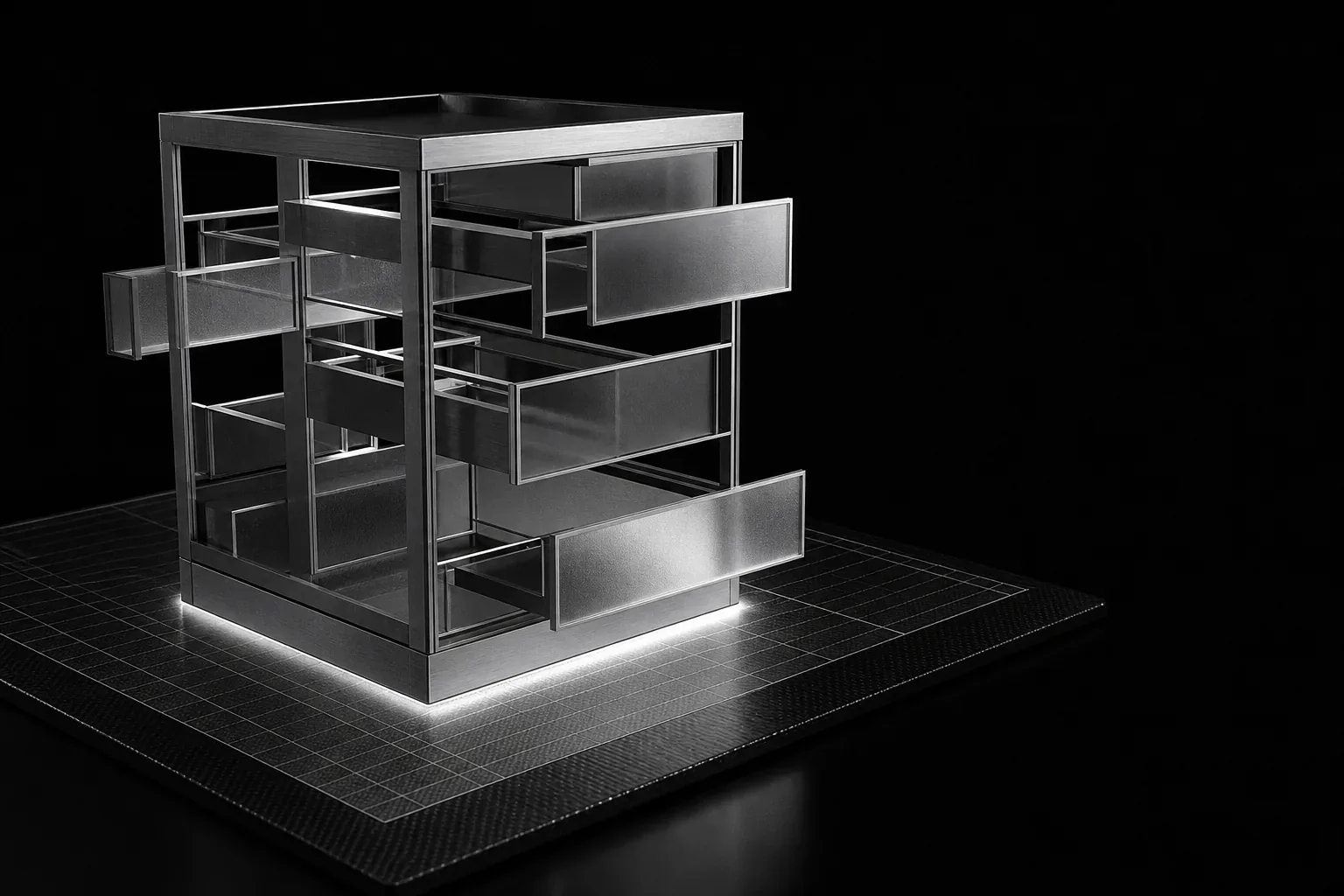


What is a Design System?
In the broadest sense, a design system is the unified set of reusable components and assets, design guidelines, and specifications. It’s like a roadmap of your design process and a source of truth for everyone, from designers to developers, to see.
But at its core, a design system is more than a style guide. It goes beyond colors and typography to include UI components, interaction patterns, accessibility guidelines, and usage documentation. With design system services, teams can structure and maintain these elements efficiently across projects. This ensures every part of the product stays consistent both visually and functionally.
Components of a Design System
- Style Guides: These define the visual elements, including color palettes, typography, spacing, and iconography, ensuring a unified look.

- UI Components: Pre-designed buttons, forms, navigation menus, and other elements that can be reused across projects.

- Patterns and Principles: Guidelines for how components should behave in different scenarios to maintain consistency.
- Documentation: A detailed reference for how to use the system, making it easier for teams to implement and maintain.

A design system coordinates these fragments and enables teams to work more effectively. Designers don’t need to spend time on creating logos, icons, buttons, etc., while developers can just choose from ready made widgets and do not need to remember device inherent differences.
In its essence, a design system is not just about the visuals, but about growth, optimization and creating the best user experience possible.

Why is a Design System Useful?
Design systems are not just a luxury, they are a necessity in a world where every team works towards building extraordinary digital products. In doing so, design systems address many of the typical issues that occur in design and development processes. So, let us explain why they are worth the price. Implementing design systems can drive positive ROI for businesses by streamlining workflows and ensuring consistency. A concept explored in-depth in our blog on the ROI of the design process.
- Ensures Consistency Across Projects: The difficulty of sustaining consistency remains one of the primary problems in design, even more when teams are involved or when designing for a vast project. A design system therefore prescribes the layout and appearance of every object, from buttons down to typography, so that every component of a product will feel familiar and localized regardless of who made it. This means consistency in appearance and layout that is crucial for making users feel trust towards the website, and providing them with a professional and well-designed website interface.
- Saves Time and Resources: Design systems reduce the need to develop a new design from scratch with each project. The use of reusable components and the implementation of pre-defined patterns allows the teams to get work done quicker and allow them to address creativity focused issues rather than re-inventing the wheel. Developers also receive pre-built UI components which could be integrated down to the directory path with considerable reduction in development time.
- Improves Collaboration Between Teams: When designers and developers work from the same playbook, communication becomes seamless. A design system bridges the gap between design and development, ensuring that everyone is on the same page. This reduces confusion, minimizes errors, and fosters better collaboration.
- Facilitates Scalability: As your product grows, maintaining consistency becomes harder. A design system makes scaling effortless by providing a robust foundation that can adapt to new features or updates without compromising quality.
- Enhances Accessibility: Modern design systems often include accessibility guidelines, making it easier for teams to create inclusive designs that meet industry standards. This ensures that your products are usable for a wider range of users, including those with disabilities.
- Creates a Single Source of Truth: By consolidating design principles, UI components, and documentation into one place, a design system serves as a single source of truth for all stakeholders. This clarity reduces duplication of effort and ensures that everyone is working toward the same goal.
Other Key Elements of a Strong Design System
A good design is not simply a set of pre-established elements to be used in a team — It is sound documentation that will keep a project consistent, manageable and easily scalable. Below are the key elements that form the backbone of any strong design system:
- Interaction Patterns
Interaction patterns involved dictate how a certain component provides feedback and how it can be manipulated by a user. For example how a drop down list opens up or how an error message is portrayed. Thus, more significant consistencies make interactions systematic and easier for users to understand.
- Accessibility Guidelines
Inclusiveness is but one aspect, let alone one of the principal features of a great design system. It makes sure your designs are scrap against WCAG as well as are accessible for a disabled person. This includes how to achieve colour contrast, keyboard accessibility, and how to support screen readers.
- Design Tokens
I define design tokens as design variables or a collection of discrete values that are developed as code structures, which can be applied in products of various size and functionality by setting up user-specified dimensions at the time of use. They work as intermediaries between design and development to make sure that aesthetic decisions are interpreted correctly.
Design Systems from a CTO Perspective
From a CTO’s perspective, a design system is a strategic engineering asset that improves scalability, consistency, and development efficiency. It standardizes UI components, design tokens, and interaction patterns across teams. This reduces duplication and helps maintain clean, maintainable codebases.
With design system services, organizations can implement a unified framework that aligns design and engineering. It enables faster development cycles, smoother collaboration, and fewer inconsistencies in product delivery. Teams can focus more on building features rather than rebuilding components.
As products scale, a design system ensures governance and long-term stability. It acts as a single source of truth that keeps experiences consistent across updates and new features. For CTOs, this translates into reduced technical debt, predictable workflows, and sustainable product growth.
Inspiration from Industry-Leading Design Systems
To comprehensively appreciate the function and strength of any design system one should consider the examples of the industry titans applying them. The house design systems of these industries are great examples of how design systems should be in order to create systems that are efficient, consistent, and easy to scale.
- Google’s Material Design
Material Design is one of the most famous and popular design tools, which is developed by Google. It offers expertise in color, typography, motion, and layout. This design concept mainly incorporates consistency and repetition in design visuals, and has strong connotations of creating the motion and depth similar to those of real-world interaction. Because of its solid documentation and available toolkits this has become one of the most preferred by developers and designers.
- IBM’s Carbon Design System
In this way, the Carbon Design System by IBM enterprise application—designed especially for enterprise-level use. It embraces the specifications of how typography should be used, how grid systems should be designed, and the product’s accessibility before any final product is developed. it includes built-in data visualization for generating ready-to-use modules for creating interface layouts using data.
- Shopify Polaris
Shopify’s Polaris Design System is specifically crafted for ecommerce experiences. It offers a comprehensive library of components and content guidelines designed to enhance usability and drive conversions. Polaris ensures that merchants using Shopify can build stores that reflect the platform’s high standards while maintaining brand individuality.
- Salesforce Lightning Design System(SLDS).
Salesforce’s Lightning Design System (SLDS) centers on making great customer relationship management (CRM) experiences. It contains pre-built elements that can easily be connected with the components in Salesforce’s environment; this way, teams are able to create unique apps. SLDS is also known for its commitment to accessibility and responsiveness.
- Microsoft Fluent Design
Fluent Design System by Microsoft is not only targeted at fixed devices, but also at mobile. It is based on flexibility and produces the principles such as light, depth, and motion for generating the most usable and aesthetic interfaces.
How to Build an Effective Design System
- Define Your Goals and Scope: Clarify the purpose of the design system, such as unifying your brand, improving collaboration, or scaling design processes.
- Audit Existing Design Assets: Review current design resources, like color palettes, typography, and UI components, to identify inconsistencies or inefficiencies.
- Establish Core Design Principles: Set foundational guidelines, such as consistency, scalability, and accessibility, to ensure alignment across the system.
- Create a Style Guide: Develop a comprehensive visual foundation, including color palettes, typography, spacing, and layout grids, for consistent design.
- Build Reusable UI Components: Design modular elements like buttons, forms, and navigation menus that can be easily adapted across projects.
- Document Everything Clearly: Provide detailed instructions on using components, patterns, and tokens to maintain consistency and reduce errors.
- Test and Iterate: Regularly test the system in real-world projects, gather feedback, and refine components and guidelines as needed.
- Encourage Team Adoption: Train your team, showcase the system’s benefits, and integrate it seamlessly into their workflows for consistent use.
Conclusion
A design system is a game-changer. It ensures consistency, saves time, and bridges the gap between design and development, making it easier to scale and create cohesive user experiences. By centralizing reusable components, guidelines, and accessibility standards, design systems empower teams to work efficiently and deliver high-quality products.
What is the difference between a style guide and a design system?
A style guide focuses on visual elements like colors and fonts, while a design system includes reusable components, interaction patterns, and documentation for scalability.
How does a design system improve team collaboration?
It creates a shared framework for designers and developers, reducing miscommunication and ensuring consistent implementation across projects.
Can small teams benefit from a design system?
Yes! Even small teams can save time, improve consistency, and scale more easily by using a streamlined design system.
What tools can I use to build a design system?
Tools like Figma, Sketch, Adobe XD, and Storybook are commonly used to create and manage design systems.
How do I keep my design system updated?
Regularly test it in real-world projects, gather feedback, and iterate as your products and team needs evolve.

Ahmad Ullah
Principal UX Designer