

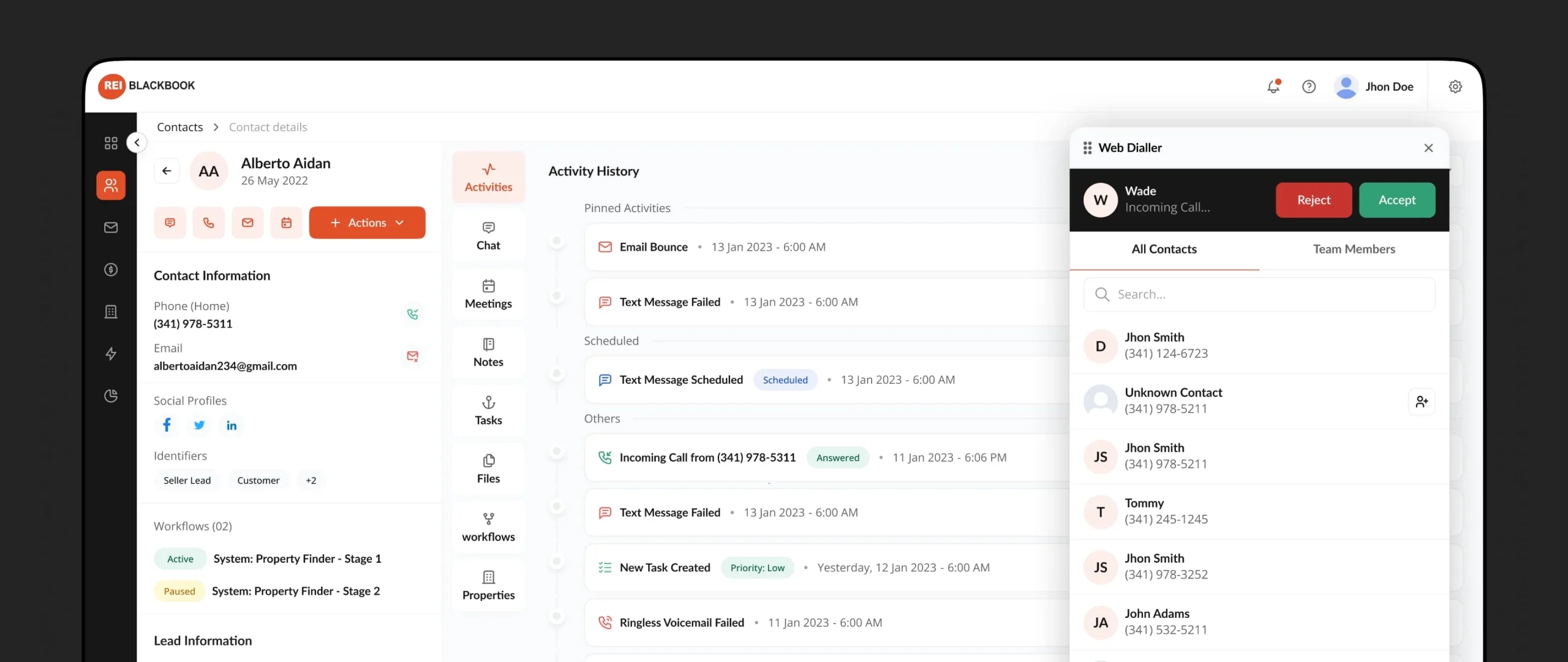
What is interaction design?
Interaction design is a discipline within the field of user experience design that focuses on designing the way users interact with digital products and services.
It involves creating interfaces that are both visually appealing and intuitive to use. The goal of interaction design is to create a seamless experience for the user that enables them to easily accomplish their tasks and goals.
Interaction design considers every aspect of the user’s interaction with a digital product or service, including the visual design, layout, and functionality of the interface.
Designers must take into account user needs, expectations, and behaviors when designing interfaces, as well as the technical limitations and possibilities of the platform.

12 Interaction Design Principles - Mastering User Experience:
Interaction design principles are a set of guidelines that designers use to create interfaces that are intuitive, engaging, and effective.
These principles are based on user research, human psychology, and best practices in the field of UI/UX design. Here are some principles of interaction design:

1. Usability:
The usability principle emphasizes the importance of designing interfaces that are easy to use and navigate.
A usable interface should be intuitive, efficient, and easy to learn. It should also provide users with clear feedback and error prevention mechanisms.
2. Accessibility:
The accessibility principle emphasizes the importance of creating interfaces that are accessible to everyone, including users with disabilities.
An accessible interface should be perceivable, operable, understandable, and robust. It should also meet relevant accessibility standards and guidelines.
3. Consistency:
The consistency principle emphasizes the importance of creating interfaces that are consistent in their design and behavior.
A consistent interface should use the same design patterns, visual elements, and interaction mechanisms throughout the product or service. This helps users to understand how to use the interface and reduces cognitive load.
4. Feedback:
The feedback principle emphasizes the importance of providing users with feedback on their actions.
Feedback should be immediate, clear, and informative. It should also provide users with a sense of control over the interface.
5. Affordance:
The affordance principle emphasizes the importance of designing interfaces that communicate their functionality and potential interactions to users.
An interface should use visual cues and metaphors to indicate how it can be used.
6. Learnability:
The learnability principle emphasizes the importance of designing interfaces that are easy to learn and remember.
A learnable interface should provide users with clear instructions and guidance on how to use it. It should also use familiar design patterns and conventions.
7. Flexibility:
The flexibility principle emphasizes the importance of designing interfaces that can adapt to different user needs and preferences.
A flexible interface should provide users with customization options and the ability to configure the interface to their liking.
8. Context:
The context principle emphasizes the importance of designing interfaces that take into account the user’s context and environment.
This includes factors such as the user’s location, device, and time of day. By designing interfaces that are contextually relevant, designers can create experiences that are more personalized and engaging.
9. Efficiency:
The efficiency principle emphasizes the importance of designing interfaces that enable users to complete tasks quickly and easily.
This can be achieved through features such as shortcuts, automation, and predictive search.
10. Error recovery:
The error recovery principle emphasizes the importance of designing interfaces that help users recover from errors and mistakes.
This includes providing clear error messages, offering suggestions for how to fix the error, and enabling users to undo actions.
11. Delight:
The delight principle emphasizes the importance of creating interfaces that are not just functional, but also enjoyable and fun to use.
This can be achieved through features such as animations, sound effects, and unexpected surprises.
12. Hierarchy:
The hierarchy principle emphasizes the importance of organizing information and elements on the interface in a logical and meaningful way.
This helps users quickly find what they’re looking for and understand the relationships between different elements.
Conclusion
In conclusion, employing effective UI UX design evaluation methods for usability testing is essential to create user-friendly and intuitive digital products. By using approaches like usability testing, heuristic evaluation, A/B testing, and surveys, teams can uncover insights that drive meaningful improvements.
These methods help optimize designs, enhance user satisfaction, and improve conversion rates by aligning experiences with real user behavior. Continuous evaluation ensures your product stays relevant, efficient, and easy to use in a competitive digital landscape.
Now is the time to take action. Start evaluating your product with the right strategies, identify hidden usability gaps, and refine your experience to deliver results that truly impact user engagement and business growth.


Faizan Khan
Sr. Product Designer