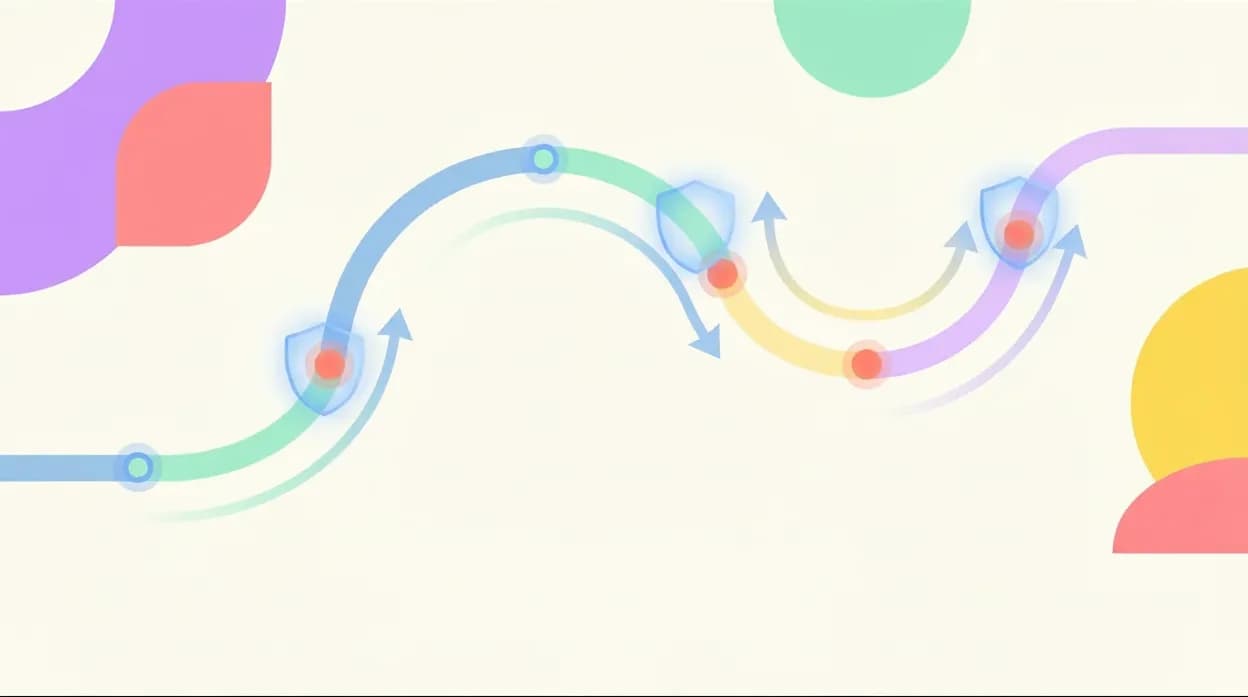
Designing Digital Experiences That Fix Friction Before Users Feel It
Most digital products don’t fail because they lack features. They fail quietly when users hesitate, get confused, or feel unsure about what to do next.
Nothing “breaks.”
But trust weakens.
Engagement drops.
And eventually, users leave.
At Reload UX, we often see this pattern when businesses come to us:
“The product works, but something feels off.” That “something” is usually unanticipated friction, moments where the product waits for users to struggle before responding. This is where Predictive UX becomes a powerful advantage.
Not as a trend.
Not as AI hype.
But as a more mature way of designing digital experiences.

Why Predictive UX Matters to Business
Predictive UX is simple at its core:
“It’s about designing experiences that anticipate user needs, risks, and confusion before they turn into problems”
From a business perspective, Predictive UX directly influences:
- Customer retention – fewer drop offs at critical moments
- Operational costs – fewer support tickets and manual interventions
- Conversion rates – smoother paths to completion
- Brand trust – products that feel thoughtful and dependable

How Predictive UX Anticipates Problems Before They Happen
Let’s break this down the way senior UX teams approach it: grounded, practical, and business focused.
Designing Around Behavior, Not Assumptions
At Most products are designed around what users should do.
Predictive UX focuses on what users actually do.
By studying:
- Repeated actions
- Hesitation points
- Drop off moments
- Support requests
Those patterns allow teams to predict:
- Where users get stuck
- What they’re likely to need next
- Which actions feel unclear

Preventing Errors Instead of Apologizing for Them
Traditional UX waits for mistakes then shows error messages. Predictive UX prevents the mistake from happening at all.
This might look like:
- Smart defaults based on user history
- Inline guidance before submission
- Early warnings when something looks off
Instead of saying “Something went wrong”, the product quietly says:
“Here’s a better way forward.”
Showing the Right Thing at the Right Time
Predictive UX is deeply context aware.
It understands:
- Who the user is
- What stage they’re in
- What matters right now
Rather than overwhelming users with everything, the experience focuses their attention.

This approach closely aligns with IDEO’s human centered design philosophy. Clarity is not about removing options, but about revealing relevance at the right moment (IDEO Design Thinking).
Using Data Carefully to Build Trust (Not Discomfort)
Prediction only works when trust exists.
At Reload UX, we’re careful about this balance.
Predictive UX should never feel:
- Invasive
- Manipulative
- Creepy
Users should understand why something is suggested and always feel in control.
Thought leaders at Parallel and Eminence consistently emphasize that ethical, transparent prediction is what separates trusted products from short-term engagement tactics.
Starting Small Where Impact Is Highest
Predictive UX doesn’t require a massive rebuild.
The smartest teams start where friction already costs the business:
- Onboarding
- Repetitive workflows
- High abandonment forms
- Support heavy features
One well designed predictive moment can outperform dozens of new features.

What Predictive UX Is Not
To be clear, Predictive UX is not:
- AI for the sake of AI
- Guessing user intent without evidence
- Removing human choice
It’s about designing foresight into experiences, guided by real behavior and real business goals.
How Reload UX Approaches Predictive UX
At Reload UX, we don’t layer prediction on top of existing problems.
We:
- Identify friction that impacts growth or trust
- Understand user intent through research and data
- Design predictive moments that feel calm, not clever
- Align every decision with business outcomes
The goal isn’t a “smart” interface. The goal is an experience that feels effortless.

Predictive UX Is Quiet & That’s Its Strength
The best predictive experiences don’t announce themselves.
Users don’t say:
“This product predicted my needs.”
They say:
“This was easy.”
In today’s competitive landscape, that ease is a powerful differentiator.
Predictive UX is how digital products stop reacting to problems — and start preventing them.

Ahmad Ullah
Principal UX Designer