What is UX Design?
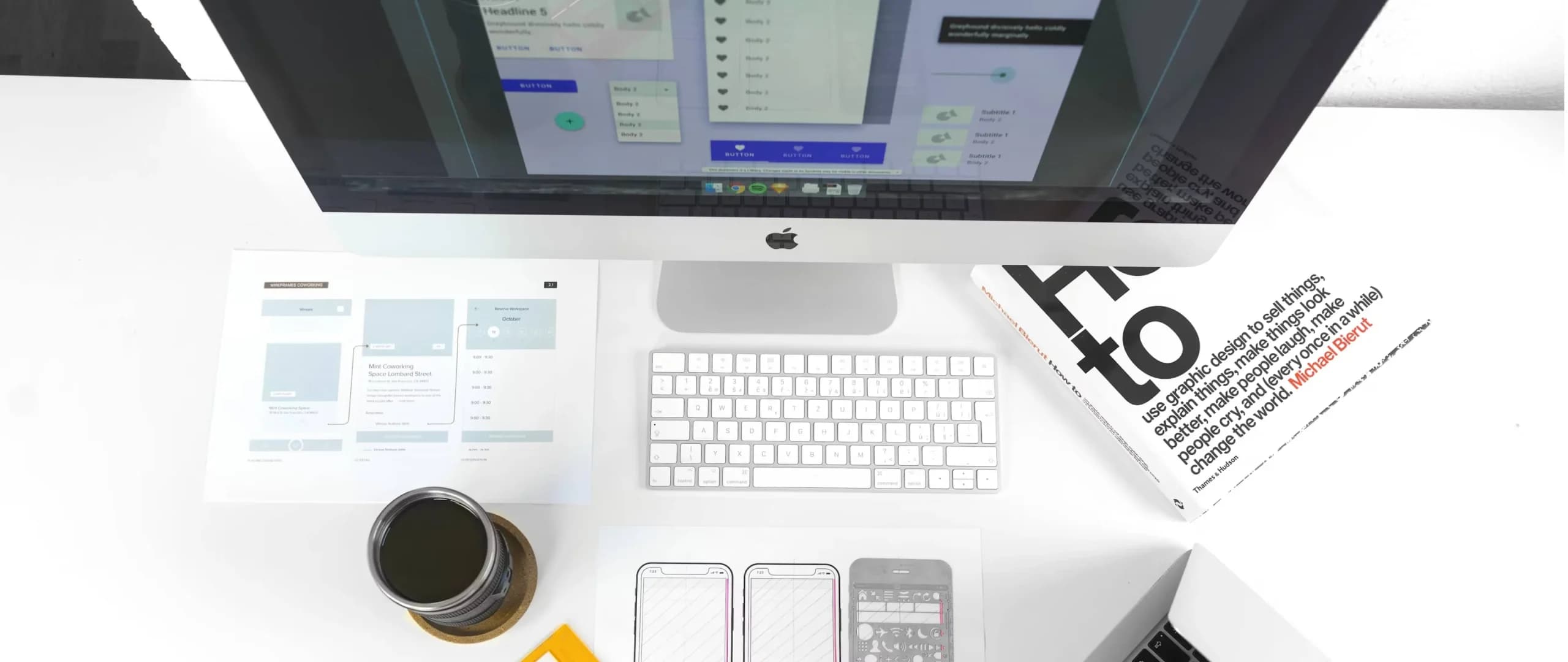
UX design, short for user experience design, is the process of creating products that provide meaningful and relevant experiences to users. It’s all about enhancing the way people interact with a product, service, or system by focusing on usability, accessibility, and overall satisfaction.
At its core, UX design revolves around understanding users—their needs, behaviors, and goals. This often involves conducting user research, mapping out user journeys, and creating prototypes that address specific challenges. Unlike human-centered design, which is a broader philosophy that can apply to any field, UX design focuses specifically on improving the interaction between users and digital or physical products.
A good UX designer doesn’t just make a product functional; they ensure that it’s enjoyable and intuitive. Whether it’s a mobile app, website, or even a piece of hardware, the goal of UX design is to create seamless, frustration-free experiences. By solving real user problems and anticipating their needs, UX design plays a critical role in the success of any product.
Learn more about crafting a UX design strategy: https://reloadux.com/blog/importance-of-ux-design-strategy/

What is Human-Centered Design?
Human-centered design (HCD) is a problem-solving approach that prioritizes the needs, emotions, and goals of the people you’re designing for. Instead of creating solutions based on assumptions or guesswork, this method starts with a deep understanding of the user and builds solutions around their real-world experiences.
At its heart, human-centered design is about empathy. It’s a process that encourages designers to step into the shoes of their users, uncover pain points, and develop ideas that address those challenges directly. This approach is iterative, meaning you continuously test and refine your designs based on feedback until you arrive at a solution that works.
Unlike traditional design processes that might focus primarily on aesthetics or functionality, HCD ensures the end product is not only visually appealing but also practical, accessible, and meaningful. It’s a philosophy that spans industries, from tech and healthcare to education and retail, helping to create solutions that truly resonate with the people who use them.
By putting people first, human-centered design empowers teams to craft experiences that solve real problems, improve usability, and leave a lasting impact.
Human-Centered Design Process
The human-centered design process is a structured, iterative framework that ensures solutions are built around the people who will use them. This process is often broken down into five key stages, each designed to uncover insights, generate ideas, and refine solutions:
1. Empathize
This stage is all about understanding your users on a deep level. It involves observing their behaviors, conducting interviews, and gathering insights about their needs, challenges, and emotions. Empathy is the foundation of human-centered design, helping you connect with users and uncover problems they might not even articulate themselves.
2. Define
Once you’ve gathered insights, the next step is to clearly define the problem you’re solving. A good problem statement focuses on the user’s needs and avoids jumping to solutions. This stage ensures your team is aligned and working toward solving the right challenge.
3. Ideate
This is where creativity comes in! During the ideation phase, teams brainstorm ideas and explore various possibilities for addressing the defined problem. The goal is to think outside the box and generate innovative solutions that meet user needs.
4. Prototype
Prototyping involves creating simple, low-fidelity versions of your ideas to test how they work in practice. This could be a wireframe, a clickable mockup, or even a physical model. The focus here is on building quickly and learning from user interactions with the prototype.
5. Test
The final stage is about gathering user feedback and refining your solution. Testing helps you identify what works, what doesn’t, and how you can improve. This step often loops back into previous stages, making human-centered design a truly iterative process.
While this design process still exists today as a good blueprint for a positive workflow, many believe the automation through AI will soon be at the forefront of this operation.

Human-Centered Design Examples of the Project
Human-centered design is all around us in today’s society as more and more design solutions put themselves forward as intuitive and useful. Here are a few examples that show how the HCD process has been used to create solutions that truly resonate with users:
Airbnb: Travelling Made Easy for all
Airbnb was not just an application that allowed people to find a place to stay—they built a system that connects people. Airbnb interviewed its clients and analyzed how people use the platform and this helped the company to define some of the pain points that clients experience, such as the difficulty of choosing a reliable host or comprehending fees. They employed human centred design techniques to reduce interface complexity and add reviews and establish trust by means of transparent communication.
IDEO: The idea for the project was to provide affordable glasses for rural India.
IDEO, one of the prominent design firms, applied human centred design to address a major health care problem, namely, the absence of cheap prescription eyeglasses in rural India. Their team stayed with the community for weeks, trying to understand their daily challenges and even using prototypes for this purpose. The outcome was an economic, long-lasting and simple to operate glasses that caters for the needs of the populations.
Apple: Technology that is easy to use for everyone
Apple’s products are easy to use and this is done intentionally. It is the iPhone or the Apple Watch; the ‘human interface’ deliberately aims to make technology easy to use for everyone. Some of the elements you see, like Face ID, Siri, or Apple Pay, all emanate from observing people in their daily activities and coming up with solutions that could make those activities easier.

Google Maps: Assisting others in moving around the world
Google Maps applies the real-time data to enhance the functions of a navigation system, however, it also contains the aspect of stimulating the user. Analyzing how individuals travel or what they do before and during their travel, Google designed options such as real-time traffic, cached maps, and suggestions for local eating places or sites of curiosity. This focus on the user needs makes the app an important tool for millions of people.
Honeywell Thermostat: Smarter Home Design
One of the best examples of human-centered design in the home is the Honeywell smart thermostat. The team watched how users engaged with traditional thermostats and understood many people’s pain of programming them. They changed the physical appearance of the thermostat and made it to be with touch screen, voice control, and AI learning so as to allow the product to adjust to the user’s schedule without much effort.
The above examples demonstrate that when using human-centred design, the main focus is on the user. Regardless of whether they are applied to graphical interfaces, designing for disability or enhancing people’s day to day lives, this approach delivers tangible and significant results.
The Role of AI in Human-Centered Design
Artificial intelligence is playing an increasingly pivotal role in human-centered design, helping designers create more personalized and efficient solutions. AI tools are now capable of analyzing user behavior, predicting needs, and generating insights that were once only possible through extensive manual research. This not only speeds up the design process but also ensures the solutions are truly tailored to users.
Much like how AI for content creation helps writers and marketers craft personalized material, AI in design empowers teams to build intuitive and adaptive user experiences.
For example, AI-powered tools can help analyze large sets of user data to uncover patterns, such as common pain points or preferred interactions. These insights empower designers to create solutions that align with real-world behaviors. Additionally, AI can assist in prototyping by simulating how users might interact with a design, allowing teams to test and refine concepts faster than ever before.
Moreover, AI enhances accessibility in design by identifying potential barriers, such as low-contrast color schemes or difficult-to-navigate layouts. By integrating these tools into the human-centered design process, teams can ensure their products are not only functional but also inclusive and user-friendly.
As AI continues to evolve, its integration into design practices will only deepen, enabling designers to deliver smarter, more human-focused solutions.

Human-Centered Design and Engineering
Design and engineering come together to create solutions that are not only technically efficient but also tailored to meet human needs. While engineers focus on functionality, performance, and technical feasibility, designers ensure the end product is intuitive, accessible, and meaningful for users. This collaboration ensures that complex systems align with real-world usability.
For example, in software development, engineers may handle coding and algorithm development, while designers shape the user interface to make it seamless and easy to navigate. Together, they bridge the gap between technical possibilities and the expectations of everyday users.
Take wearable fitness trackers as an example. Engineers develop sensors and processors to track metrics like heart rate or sleep cycles. Meanwhile, designers ensure that the tracker is comfortable to wear, easy to interpret, and visually appealing. Without this collaboration, even the most advanced product could fail to resonate with users.
In healthcare, this partnership is especially critical. Engineers focus on developing life-saving tools such as imaging devices or monitoring systems, while designers ensure these devices are easy to operate for healthcare professionals and non-technical users alike. The result? Products that are functional, reliable, and user-friendly.
When design and engineering work in tandem, their collaboration becomes more effective with a structured UX discovery workshop. A well-defined UX discovery workshop helps validate ideas early and reduce development risks. It ensures the final product delivers real user value while meeting business goals.
Conclusion
Human oriented design is not just a technique, but an attitude that puts focus on people in the creation process. In doing this, this approach creates a system that keeps the end users at the center and the aspects we develop appeal to them.
For simplifying technology and solving real-world problems, a user-centered approach helps businesses launch products that users adopt faster and engage with more effectively. When designers and engineers collaborate, they build solutions that align with both user needs and business objectives. This leads to improved performance, reduced friction, and measurable outcomes.
Human-centered design keeps people at the core of every product, enabling you to create apps and services that improve usability and drive retention. It helps teams focus on real user needs, resulting in more intuitive and impactful experiences. By applying a structured UX discovery workshop, you can validate ideas early, align stakeholders, and reduce development risks while delivering user-focused solutions that perform.
What is the goal of human-centered design?
The goal of human-centered design is to create solutions that prioritize the needs, preferences, and experiences of users. By focusing on real-world challenges and feedback, it ensures products and services are both functional and meaningful.
How is human-centered design different from UX design?
While human-centered design is a broader approach that can apply to any field (like engineering, product design, and service design), UX design focuses specifically on creating user-friendly digital experiences like websites and apps. Human-centered design often informs the principles of UX design.
What industries use human-centered design?
Human-centered design is used across various industries, including technology, healthcare, education, product development, and service design. Any field that interacts with people can benefit from its principles.
What are the main steps in the human-centered design process?
The process typically includes five stages: empathize (understand user needs), define (clarify the problem), ideate (brainstorm creative solutions), prototype (create low-fidelity models), and test (gather feedback and refine).
Why is collaboration important in human-centered design?
Collaboration brings together diverse perspectives, ensuring solutions address multiple aspects of a problem. It fosters creativity and innovation, making the design process more inclusive and effective.

Faizan Khan
Sr. Product Designer